
07 Sep Sasol’s carbon colossus is a killer, says report
A new research report estimates that air pollution from the Secunda energy complex causes about 23,800 years of life lost annually. Tulani Ngwenya investigates
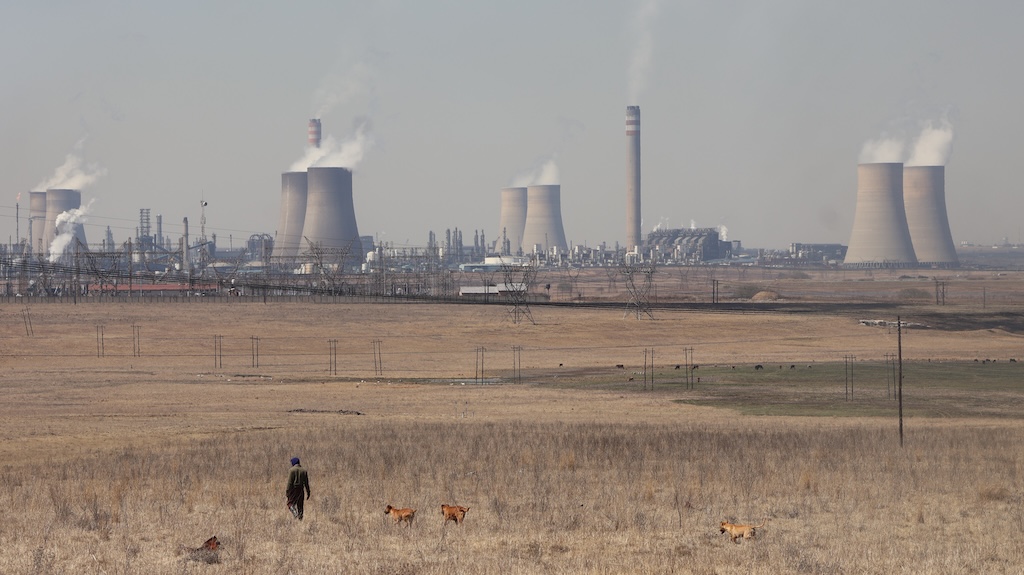
Sasol’s Secunda complex processes about 35-million tonnes of coal a year into synthetic fuel, producing around eight billion litres annually. Photo: Tulani Ngwenya
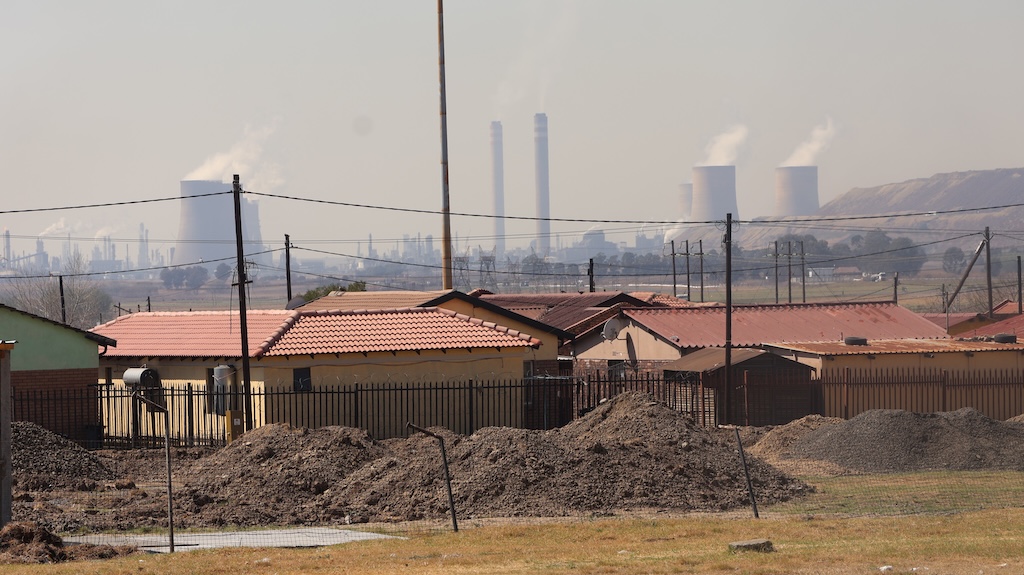
Smoke from Sasol’s Secunda complex rises over eMbalenhle township. Photo: Tulani Ngwenya
For decades residents of eMbalenhle, a large township in Govan Mbeki Municipality in Mpumalanga, have lived and died in the plumes of Sasol’s Secunda plant.
At the heart of the Secunda complex is a process that turns coal into synthetic oil. Professor Harro von Blottnitz at the University of Cape Town’s department of chemical engineering explained to #PowerTracker that every year about 35‑million tonnes of coal are fed into massive gasifiers, which break the coal down into gas. This gas is cleaned with some of the carbon removed as carbon dioxide, and then converted into liquid fuels using a chemical process called Fischer‑Tropsch.
The plant also produces by‑products like ammonia, but it releases harmful pollutants such as hydrogen sulfide, the gas that smells like rotten eggs.
“Every now and then, when the unit dealing with this is not working and the wind blows from the east, this can be smelt in Johannesburg” Von Blottnitz said.
In the end, Secunda refines about eight billion litres of fuel each year, meeting nearly a third of South Africa’s demand, while its coal boilers generate enough steam and electricity to power a medium‑sized city.
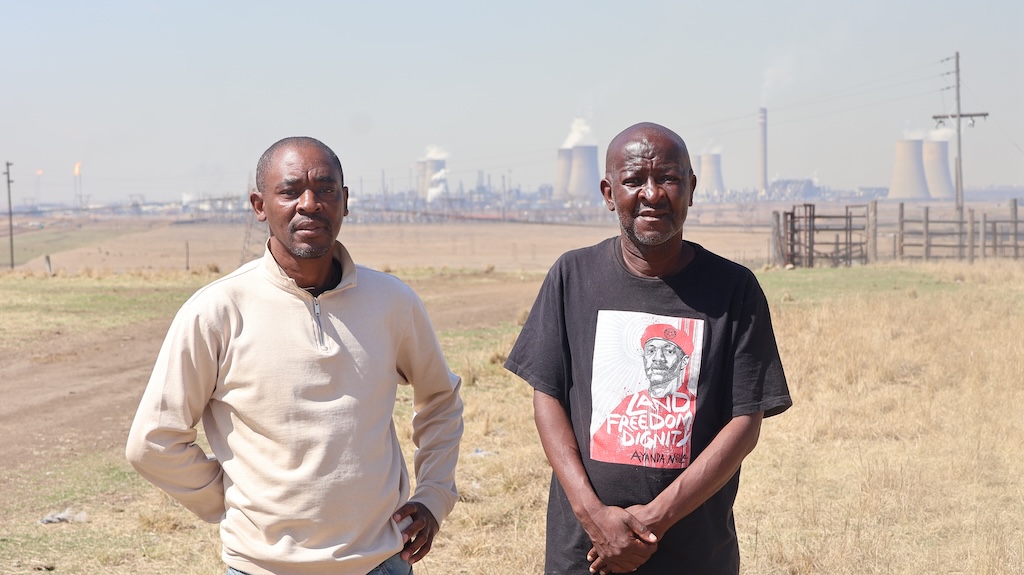
Activists Fana Sibanyoni and Khehla Mahlangu, of MS Environmental Projects, stand side-by-side while Sasol’s towers dominate the horizon, showcasing daily life lived under the shadow of coal‑to‑liquids power. Photo: Tulani Ngwenya
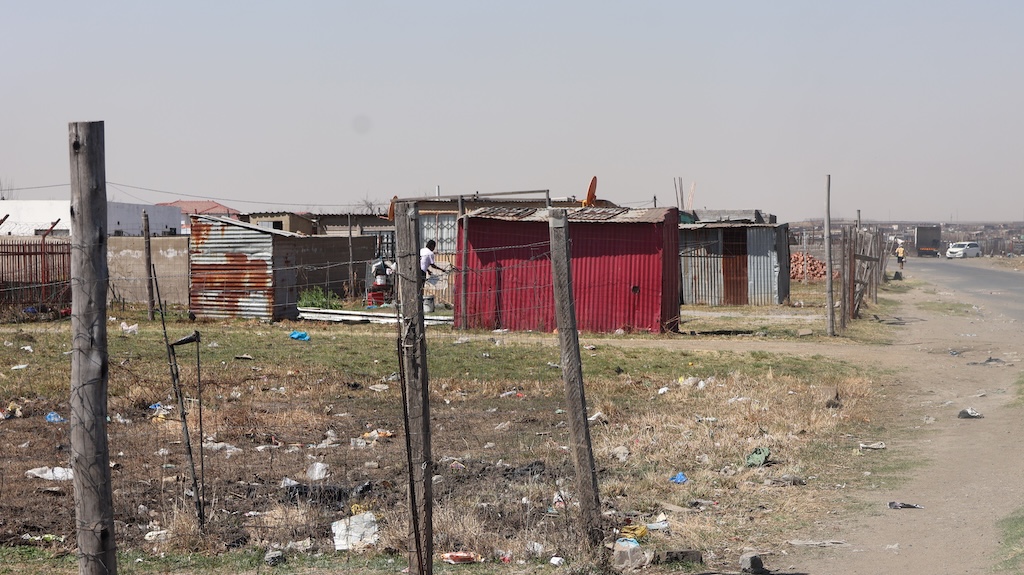
The residents of Azania settlement say many of them are suffering from respiratory-related illnesses due to the pollution from Secunda. Photo: Tulani Ngwenya
The human cost
A new report released on September 7 2026 by the Centre for Research on Energy and Clean Air (CREA), a global independent research organisation, estimates that the air pollution from the Sasol Secunda complex causes about 1,000 premature deaths every year, corresponding to 23,800 years of life lost annually.
“Air pollution from the complex is estimated to have imposed a substantial public health burden over the 2024/2025 financial year,” CREA states in the report, titled The hidden cost of coal-to-liquids in South Africa: Health impacts of air pollution from Sasol Secunda.
CREA estimates that Secunda’s pollution results in people living with serious illnesses every year. In total, it adds up to about 2,600 years lived with disability annually – including 600 years from chronic lung disease (COPD), 1,600 years from diabetes and 400 years from stroke.
These figures show how the plant’s emissions don’t just cause deaths, but also long‑term illnesses that reduce quality of life, the report states. It estimates there are 260 new cases of childhood asthma annually, with 1,300 children living with asthma due to exposure, alongside 820 low-birthweight births and 1,100 pre-term births each year.
Acute impacts are visible in healthcare data: 2,030 asthma emergency room visits annually, including 930 among children aged 0-17. “The facility’s [Sasol Secunda] emissions contribute to a health burden that begins early in life and can have consequences beyond the immediate period of exposure,” CREA warns.
The report calculates 468,000 sick-leave days are taken each year due to pollution-related illness, costing the South African economy approximately US$1-billion (R19-billion) a year. “The health and economic costs of this pollution are borne largely by society rather than the polluter,” CREA states in the report.
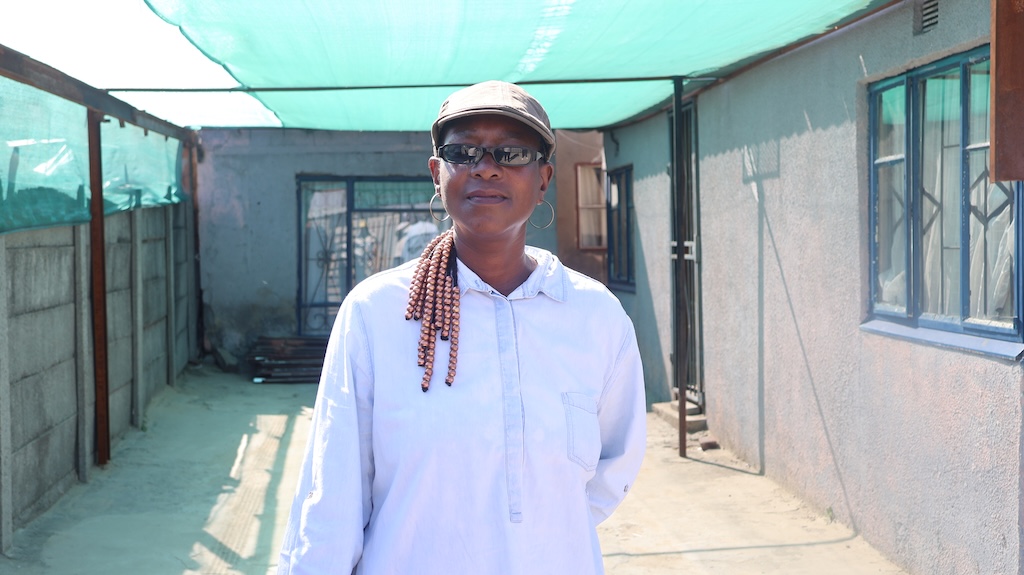
Local activist and resident Martha Nkosi speaks of the damage to her body and her child’s: ‘We swell up, vomit, develop headaches, shortness of breath.’ Photo: Tulani Ngwenya
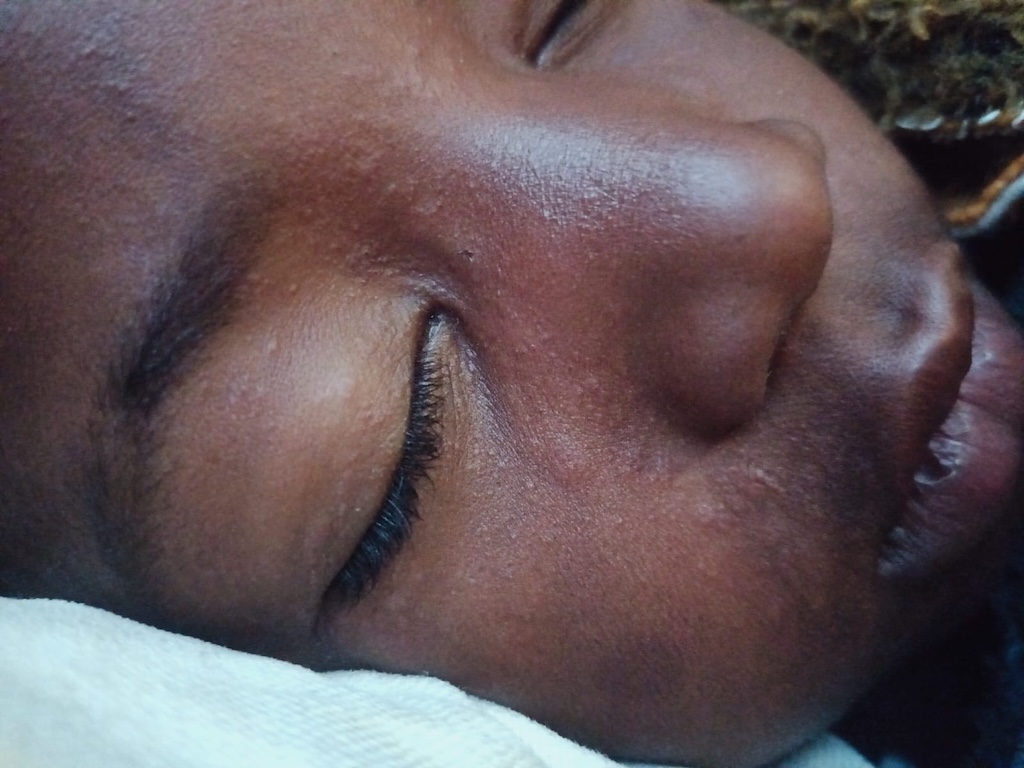
Martha Nkosi’s child sleeps with a rash across his face, the silent mark of Secunda’s toxic air. Photo: Tulani Ngwenya
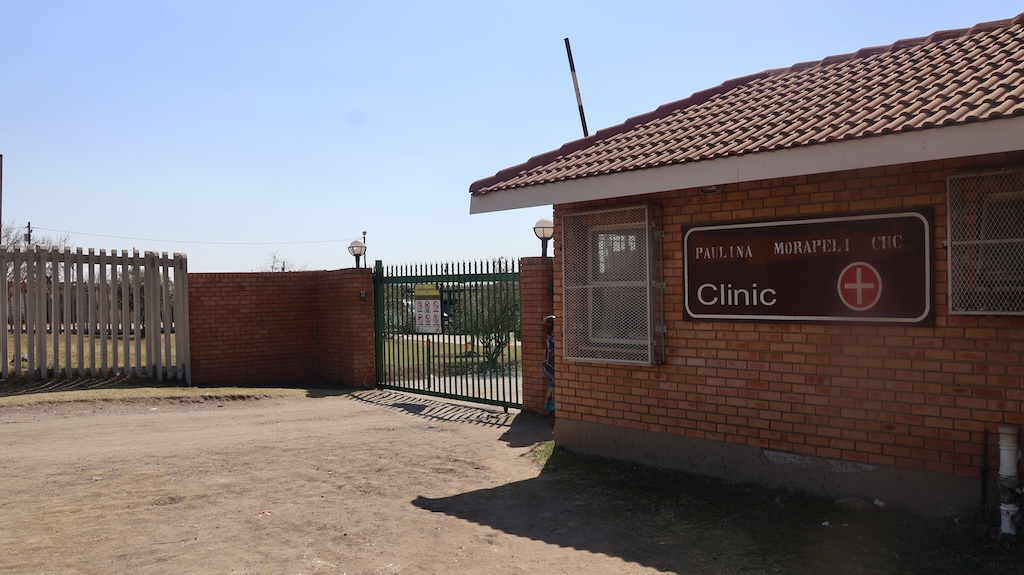
An elderly woman leaves Paulina Morapeli CHC Clinic, where residents receive painkillers for pollution‑related illnesses but little lasting care. Photo: Tulani Ngwenya
Daily reality
#PowerTracker spoke to residents of eMbalenhle for whom Secunda’s emissions are a daily reality.
“The emissions are harmful to our health and for everyone in this community. It is a common occurrence that children will constantly miss school days due to respiratory sickness,” said Khehla Mahlangu, chairperson of MS Environmental Projects, a local non-profit organisation.
Another member of the organisation, Fana Sibanyoni, said: “People have to undergo medical examinations before they can be employed in Sasol, and this becomes a drawback for them because they fail those medical tests, so it affects their daily lives and source of living, and most of them are unemployed.”
“Most of the education and awareness campaigns that have been done by the corporates are just ticking-box exercises,” Sibanyoni added.
For Martha Nkosi, the toll is written on her body and that of her child. “We have challenges with breathing, smells, headaches and sinus. I am partially blind because of air pollution. You swell up, you vomit, develop headaches, shortness of breath… We have also learnt that this air pollution causes miscarriages,” she said.
“Hospitals and clinics do not have medication; they just give you painkillers… My child could not eat for two weeks, and they said he has fungi inside his intestines and the skin, and even now, he is not eating properly, and it was all caused by the air pollution,” Nkosi said. “If you plant anything in the ground, it dies. Even if the spinach grows, it has no taste and takes a long time to be cooked… I am afraid and scared because my death is close; I can pass on any time,” she said.
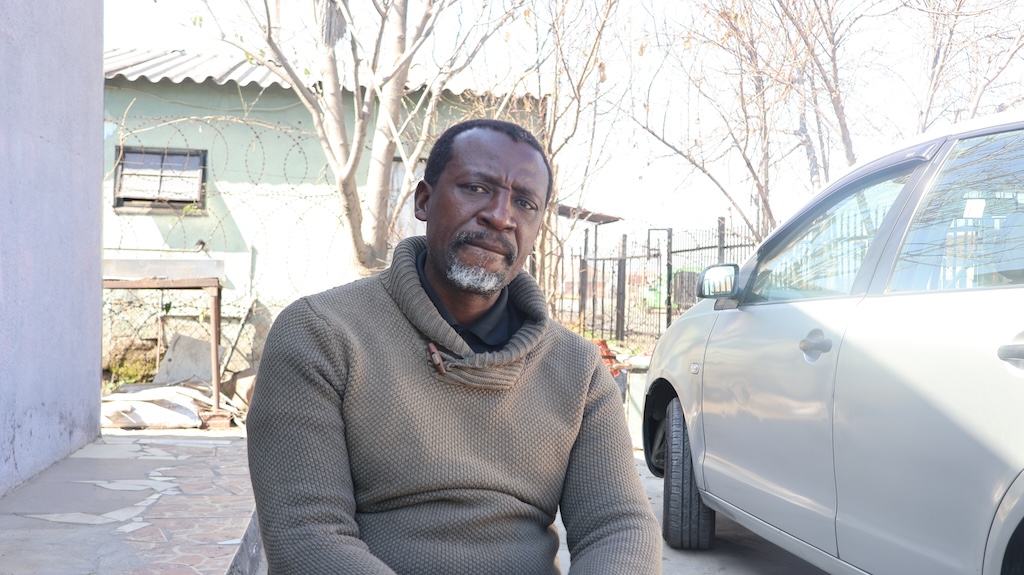
eMbalenhle resident Oupa Hans Mdluli recalled growing up with the stench of ‘rotten eggs’ in the 1980s. Photo: Tulani Ngwenya
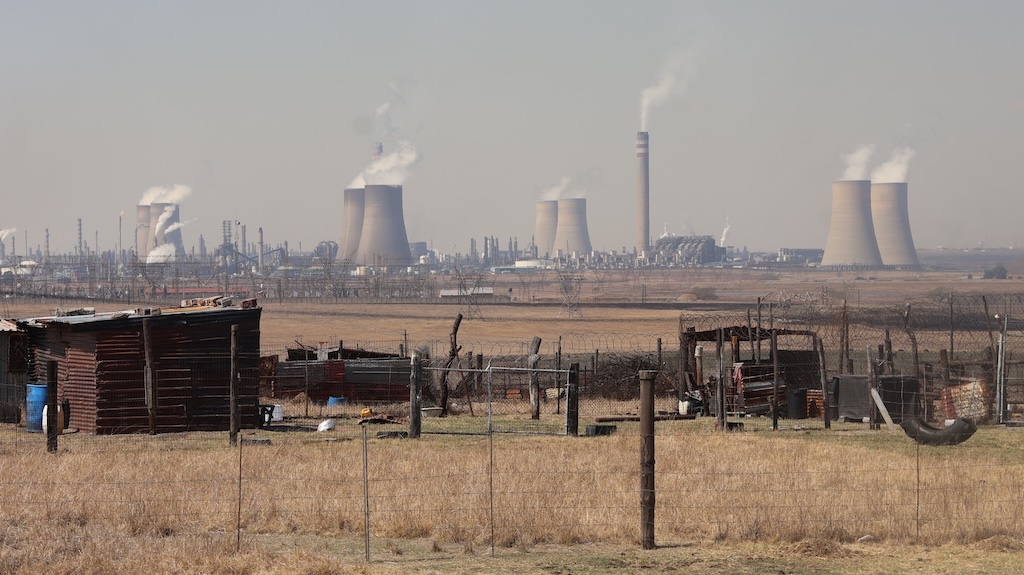
Rusted fences and tin pens for cattle, with Secunda’s towers looming in the distance. Photo: Tulani Ngwenya
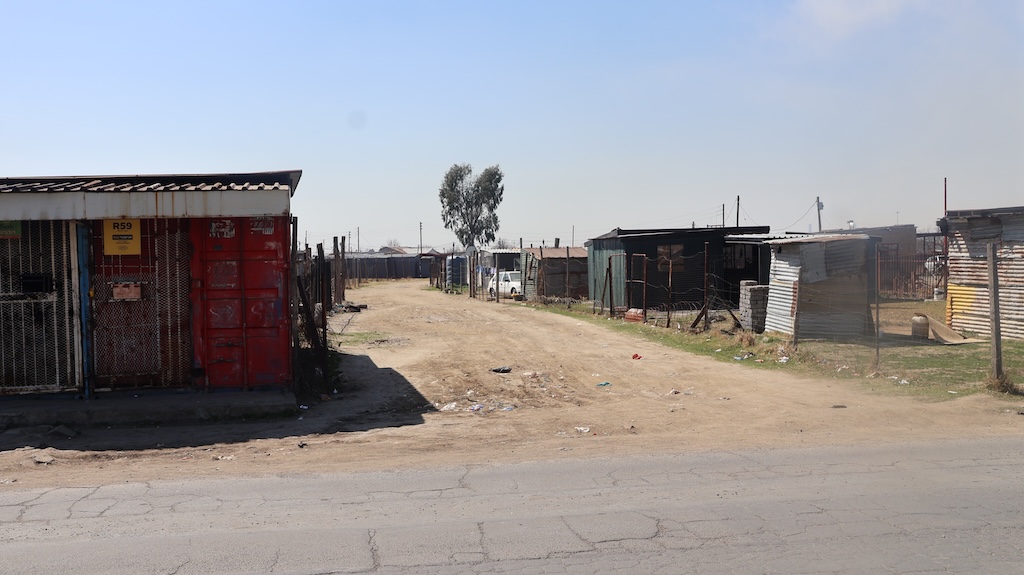
Residents of Azania settlement say Sasol has badly affected people in the area by taking shortcuts and only looking out for its business. Photo: Tulani Ngwenya
Rotten eggs
Oupa Hans Mdluli, another eMbalenhle community member, recalled his childhood in the 1980s: “I used to smell something like urine or rotten eggs; there are many smells we endured while I was still growing up, and we could not understand what was going on.”
Over time, the link became clear, he said: “People got sick without knowing what was responsible. When you go to the doctors, they tell you that you have asthma because of the air.”
Community responses to awareness campaigns like Umoya Wethu, a civil society initiative to educate households about air pollution and health risks, have been mixed, Mdluli said.
“People did not respond in the manner we were expecting because they wanted jobs. They were asking us, ‘Are you going to give us any job? Are you going to give us anything to live by?’ “We would tell them it is all about teaching you how to prevent this situation… Sasol did not tell you what was going on and we are coming to give you the information that will save your life.”
Sasol has badly affected people in the area, he pointed out, saying, “They are cutting corners; they never give people solutions; they are only interested in making profits.”
Sasol announced on September 1 2026 that its annual profit rose 9% from a year ago to headline earnings of R38.31 per share, buoyed by higher crude oil prices and increased fuel sales volumes.
It also announced that it would be investing in its coal-mining business to secure feedstock for Secunda, with production rising to 7.2-million tons in 2026, and reducing external coal purchases.
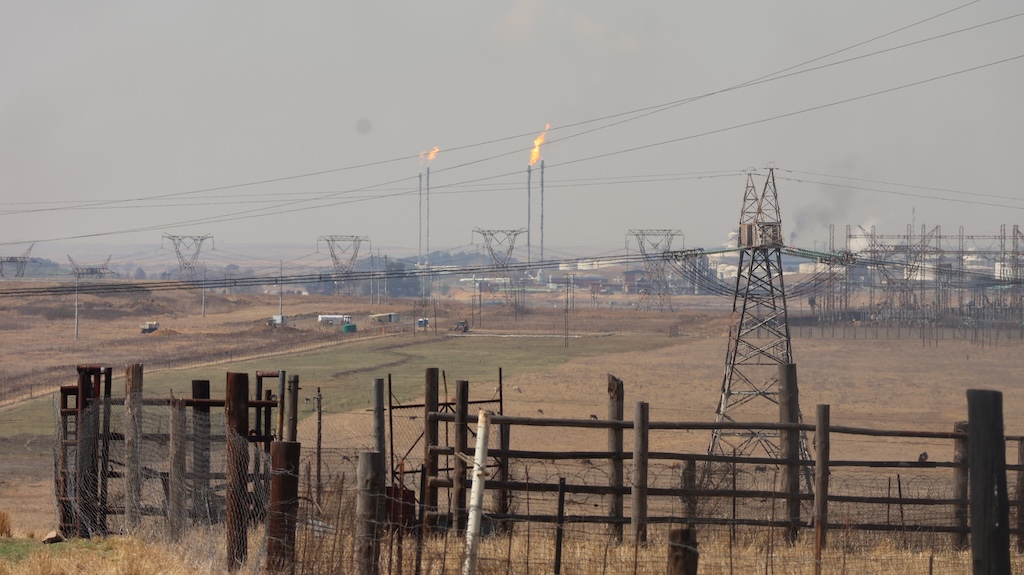
A 2026 academic study has found that Secunda generates more pollution than other refineries. Photo: Tulani Ngwenya
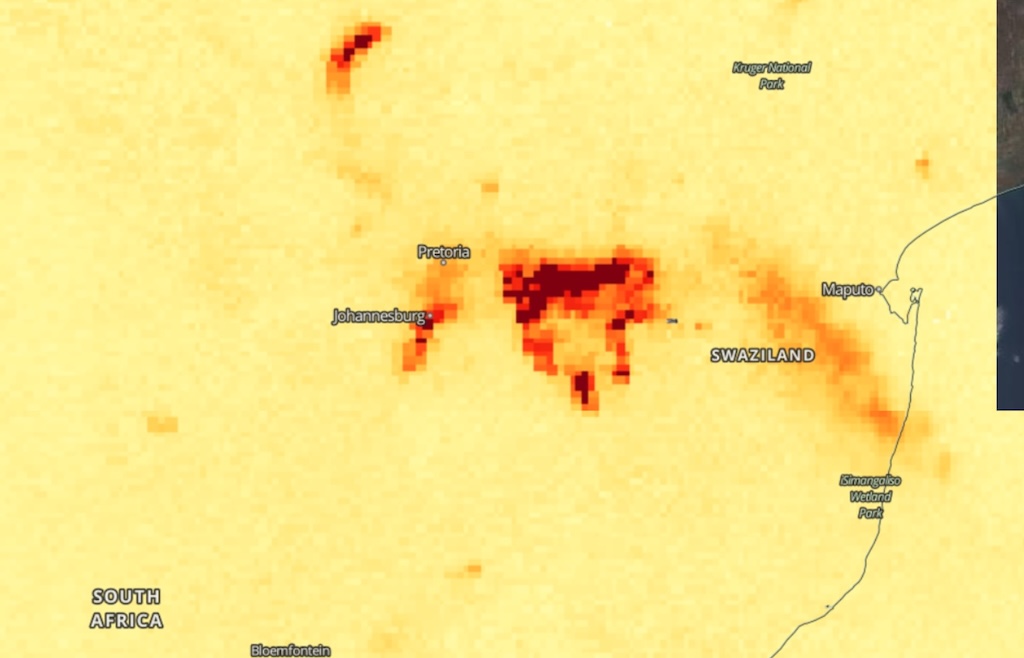
A visualisation showing Nitrogen oxides (NOx) around Secunda power station, located in the bottom of the dark red patch. Viz by Copernicus Sentinel-5

Carbon intensive
Researchers at the University of Cape Town’s Energy Systems Research Group found in a 2026 study that Secunda operations are far more carbon intensive and generate more pollution per unit of fuel than normal refineries.
According to Von Blottnitz, the operations are carbon intensive because half of the carbon in the coal is removed and released as carbon dioxide in the coal-to-liquids process.
In 2022, Sasol reported 63.9-million tonnes of carbon equivalent emissions, with 80-85% coming from Secunda alone – making it the world’s largest single-site emitter of climate warming gases. According to the CREA report, the plant released 112,000 tonnes of sulphur dioxide (SO₂), along with large amounts of hydrogen sulphide (H₂S) and other harmful gases in 2024.
The government has allowed Sasol to operate under weakened SO₂ limits: South Africa’s legal limit for SO₂ is 1,000mg per cubic metre, but Sasol is allowed to emit 1,700mg at one stack and 1,400mg at another. By comparison, the limits in the European Union are just 70mg, in China 26mg, and in South Korea 89mg. In 2022, CREA notes, Sasol applied to replace the rule that limits the strength of pollution in its smokestacks with a system that only measures the total amount released, and when the National Air Quality Officer refused, the Environment Minister overturned the decision. “Compliance with an alternative licence limit does not mean that the remaining emissions are safe,” CREA warns.
Non-governmental organisations Just Share and groundWork have described this “obstruction pattern to dilute the Carbon Tax Act and delay the Climate Change Act” by Sasol and allied industry associations as “economic hostage‑taking: inflating their contributions to society and ignoring the damage they cause, while creating a false dichotomy between climate action and economic prosperity”.
“South Africa’s emission standards are already weaker than those in other developing countries, yet Sasol Secunda has been allowed to operate under limits that are even more lenient,” Robyn Hugo, director of climate change engagement at Just Share, warned in a press statement.
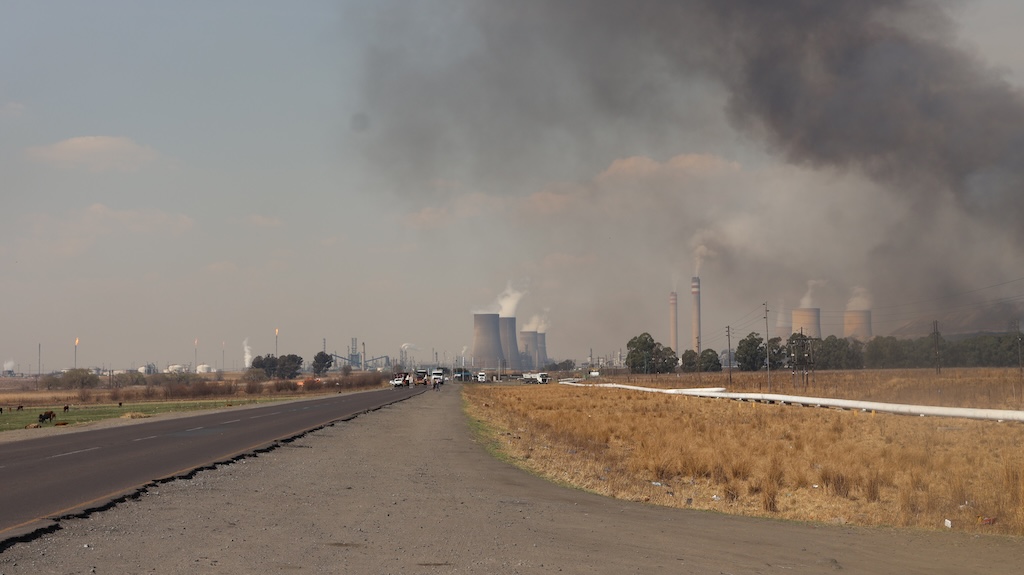
A dark plume rises from the ash dumps beside Secunda’s cooling towers, leaving the air thick with the impact of coal‑to‑liquids power. Photo: Tulani Ngwenya
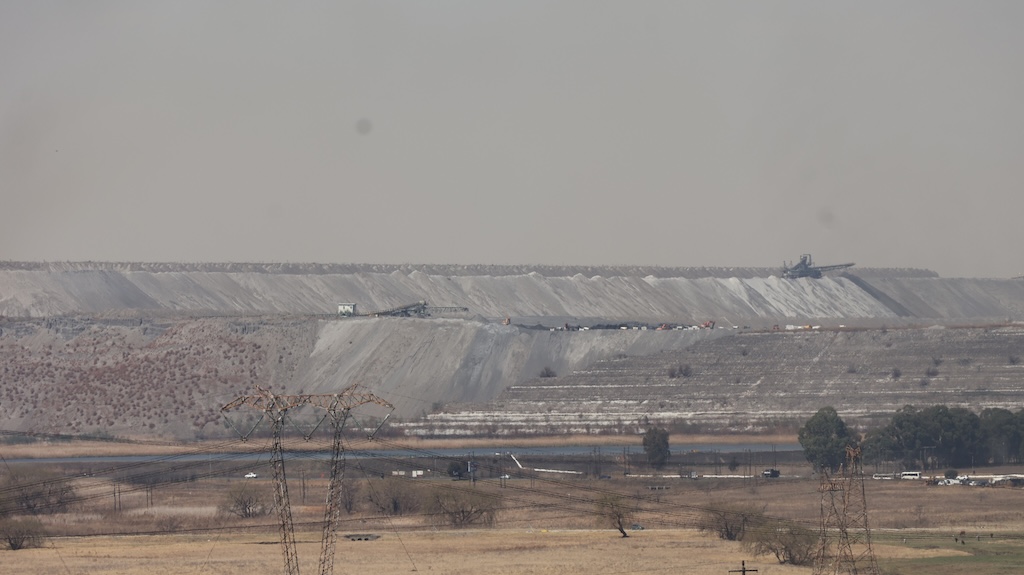
At the Secunda complex, ash dumps tower like man‑made hills, a landscape built from the leftovers of energy. Photo: Tulani Ngwenya
Deadly Air
The CREA report refers to the so-called Deadly Air judgment, first handed down by the Gauteng High Court in March 2022, which declared that poor air quality in the Highveld Priority Area breaches the constitutional right to an environment not harmful to health or wellbeing.
On April 11 2025, the Supreme Court of Appeal upheld the ruling, confirming that the Minister of Environmental Affairs has a legal duty under Section 20 of the Air Quality Act to prescribe regulations to implement and enforce the Highveld Priority Area Air Quality Management Plan.
The CREA report calls for tightening of Sasol’s alternative limits to align with international benchmarks, with clear triggers for stricter controls if health milestones are not met. It urges improved emissions reporting and independent monitoring, including public access to real‑time data and independent audits.
It further calls for strengthening air quality regulation to remove loopholes and prevent further weakening of the minimum emission standards, especially in pollution priority areas. CREA insists that affected communities must be centred in enforcement, with timely alerts, access to data, and involvement in regulatory decisions.
“Regulatory decisions should prioritise measurable, enforceable reductions in emissions to protect public health and uphold constitutional rights,” the report notes.
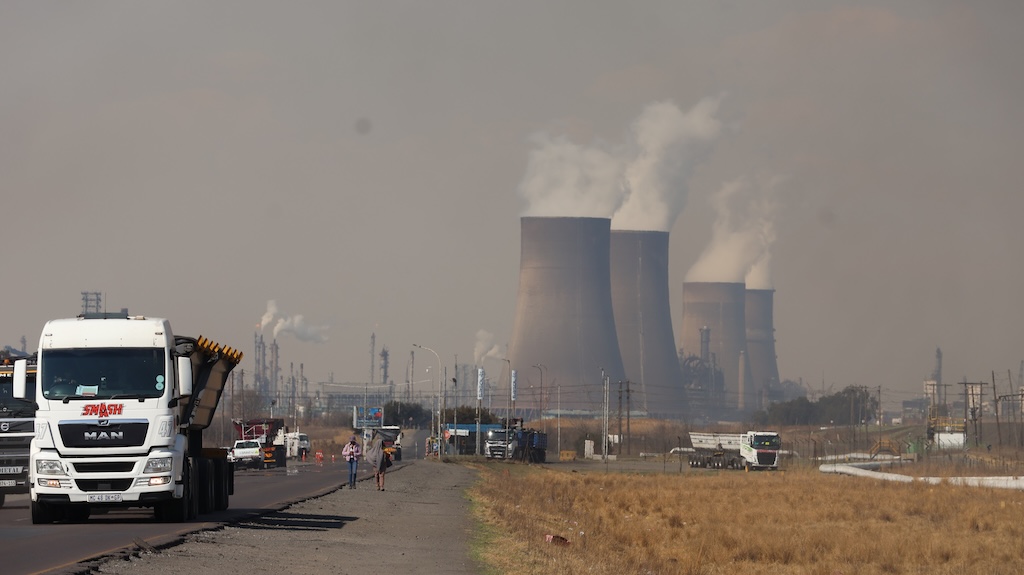
None of the institutions #PowerTracker extended the right of reply to had responded at the time of publication. Photo: Tulani Ngwenya
Right of reply
In preparing this investigation, #PowerTracker extended the right of reply to Sasol, the Department of Forestry, Fisheries and the Environment (DFFE), and the Department of Mineral and Petroleum Resources (DMPR).
Detailed questions were submitted covering emission standards, enforcement capacity, constitutional obligations, community health impacts and the availability of meteorological data for dispersion modelling. DFFE confirmed it had not independently verified CREA’s estimate of 1,000 deaths annually linked to Secunda’s emissions, but outlined regulatory frameworks such as the Second‑Generation Highveld Priority Area Air Quality Management Plan (HPA AQMP) and proposed amendments to emission limits.
DFFE highlighted a 40% reduction target against 2019 baselines by 2030, a Memorandum of Understanding with the South African Medical Research Council to strengthen health‑environment collaboration, and draft regulations to tighten hydrogen sulphide limits with no alternative limits permitted beyond March 2030.
The department acknowledged community health concerns in eMbalenhle and pointed to partnerships with the Department of Health and SAMRC, as well as quarterly stakeholder forums and public access to real‑time air‑quality data via SAAQIS. DFFE defended Sasol’s exemptions as part of a “balanced approach” between economic development and environmental imperatives, further stating that enforcement is carried out through Atmospheric Emission Licences, municipal inspectors, and Environmental Management Inspectors (EMIs).
Sasol and DMPR, however, did not provide answers to the questions submitted.
To verify independent findings and test the transparency of enforcement, Oxpeckers filed a formal Promotion of Access to Information Act request with the DFFE. The request sought inspection reports, enforcement records, notices of non‑compliance, penalties issued, and correspondence between DFFE and Sasol Limited relating to Secunda’s emissions.
It also asked for Highveld Priority Area air‑quality management plans, monitoring data and compliance assessments from 2015 to the present.
The DFFE acknowledged receipt and confirmed processing. But no records had been released at the time of publication.
This investigation by Oxpeckers Associate Tulani Ngwenya is part of the Oxpeckers #PowerTracker programme, supported by the New Economy Hub and Ford Foundation .