
31 Mar Botswana bets on gas boost for flagging economy
Industry experts and environmental watchdogs are worried about a lack of transparency around a flagship project – and warn there may be risks for the surrounding communities, wildlife and ecosystems. Sello Motseta investigates
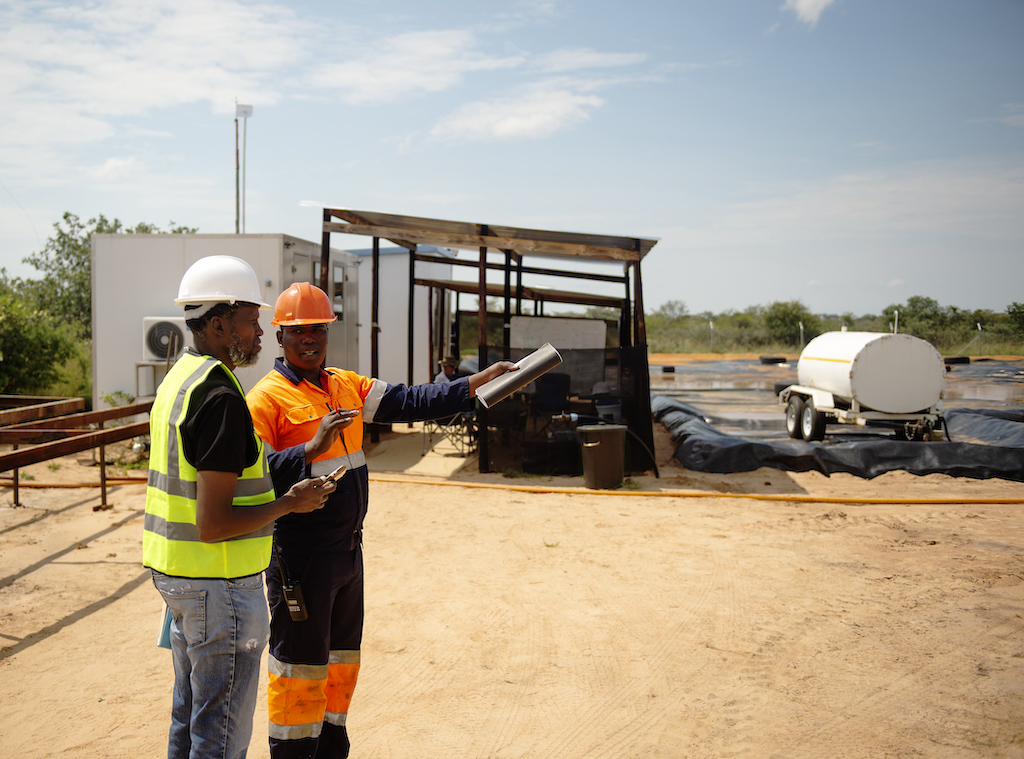
A Botala Energy worker takes Oxpeckers journalist Sello Motseta (left) on a tour of their coal bed methane development site. There is a gap in the regional market because Sasol, the primary supplier of piped natural gas and methane-rich gas to the bulk of South Africa’s industrial users, is dealing with depleting reserves of its primary sources in southern Mozambique and has announced that it will shut down the pipeline in June 2028. Photo: Tshekiso Tebalo / Oxpeckers
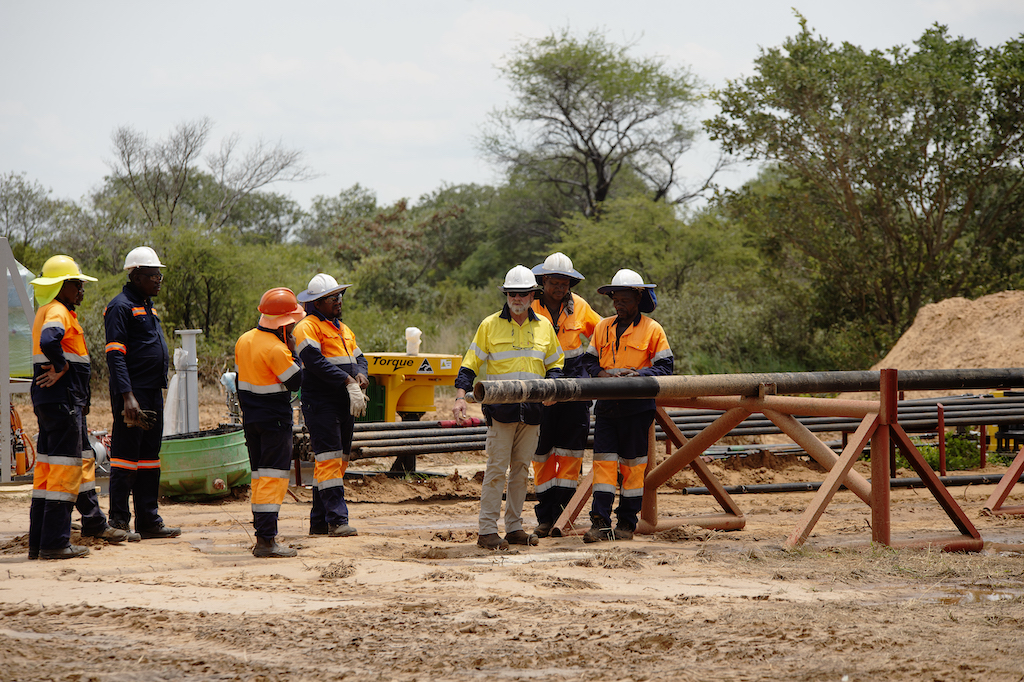
Botala Energy is drilling wells almost 400m deep into coal beds to extract gas. The project aims to address Southern Africa’s energy shortage. Photo: Tshekiso Tebalo / Oxpeckers
Botswana is no rough diamond when it comes to producing one of the world’s most sought-after minerals. The Southern Africa nation was responsible for 80% of global diamond exports in 2024, according to the Observatory of Economic Complexity. Now, with global prices plummeting because of slowing demand and ever-more diamonds being grown in labs – and amid growing demand in the region for renewable energy solutions – Botswana’s nascent natural gas mining sector is on the rise.
But, industry experts have warned, there are major gaps in regulation, monitoring and oversight that could leave communities, communal grazing lands and wildlife vulnerable to gas leakages and contaminated ground water.
The warnings come as work accelerates at a site buried deep inside savannah vegetation on huge swaths of farmlands around 40km from Serowe, on the outskirts of the country’s north-west region, where Australian mining company Botala Energy Ltd is drilling wells almost 400m deep into coal beds to extract gas. The company’s executive chairperson is bullish about the future and the Botswana government is focused on the potential economic and energy benefits.
However, there is a veil of secrecy around the true nature of the risks posed by the Botala project. The Department of Environmental Protection reneged on an initial commitment to furnish Oxpeckers with a copy of the full environmental impact assessment (EIA). At least one major environmental NGO has not seen the report either; its chairperson, who is also a member of Botswana’s National Climate Change Committee says that this, coupled with a lack of substantial public consultation before the project began, is cause for alarm.
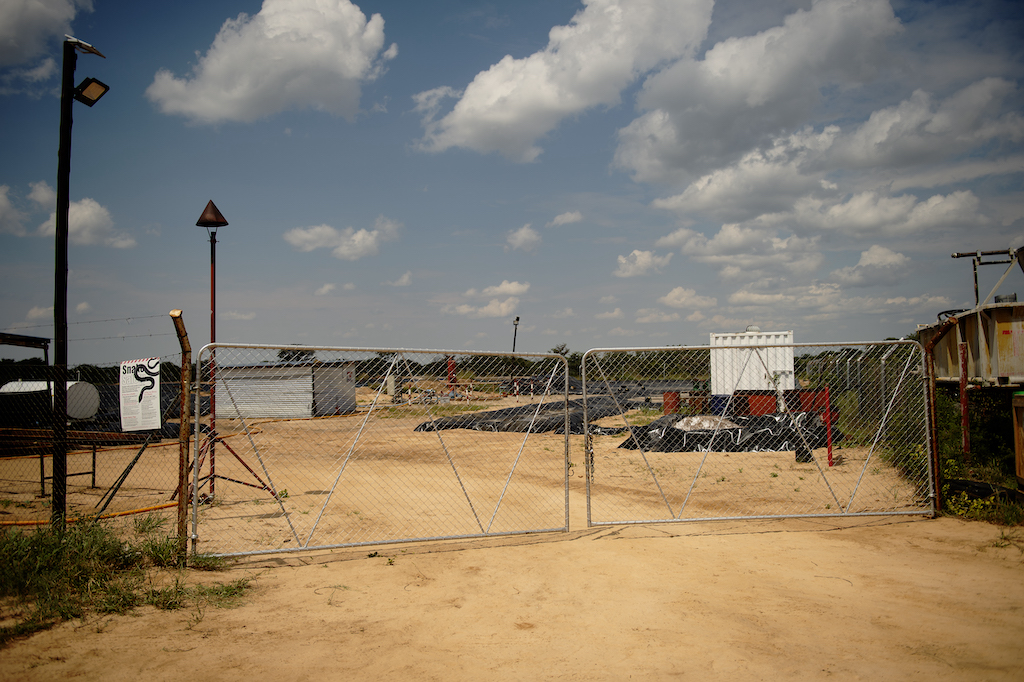
At the project site, water is evaporated after being separated from extracted gas. Photo: Tshekiso Tebalo / Oxpeckers
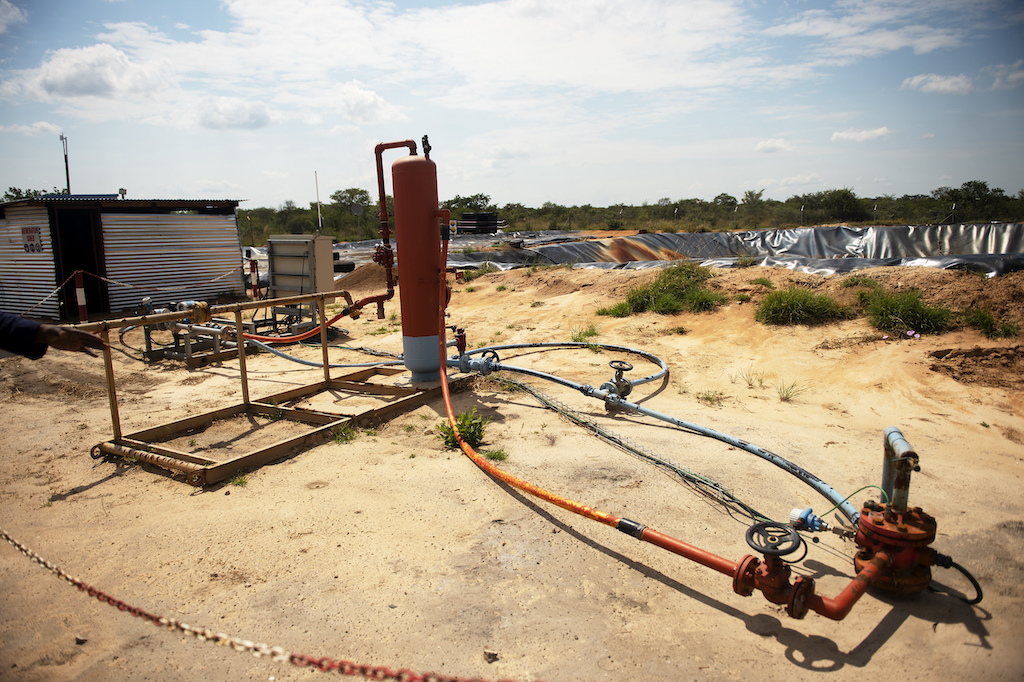
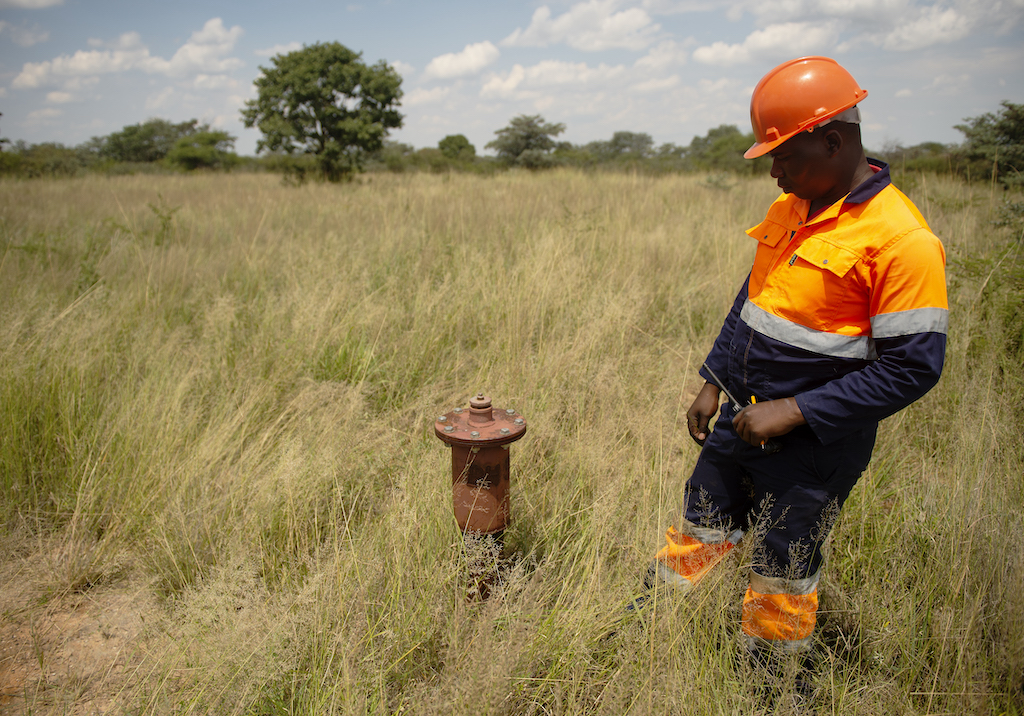
One of the wellheads at Botala’s project site. Photo: Tshekiso Tebalo / Oxpeckers
Pivoting to gas
Natural gas has a range of uses, such as generating electricity, as a raw material in industrial processes, fuelling vehicles and producing fertilisers.
The World Bank estimates that 365-million people in Southern Africa do not have access to electricity and 558-million people can’t access clean cooking methods.
As a result mineral-rich countries like Botswana are increasingly exploring their natural gas reserves in a bid to address both economic and energy challenges.
Chandapiwa Sebeela, Acting Deputy Permanent Secretary for the Ministry of Environment and Tourism, told Oxpeckers: “Gas export is expected to generate significant revenue for the country, given the country’s substantial gas reserves and growing demands in regional markets.”
She added that the government could benefit from “taxes and royalties, job creation and local economic growth, [and] infrastructural development”.
That would be a welcome boon: in the past seven fiscal years, Botswana has run budget deficits, a trend that analysts expect to continue given the current global economic climate and weakened diamond sales. A deficit of BWP26.35-billion (around US$2-billion) is projected for the 2026/27 financial year.
There is also a gap in the regional market because Sasol, the primary supplier of piped natural gas and methane-rich gas to the bulk of South Africa’s industrial users, is dealing with depleting reserves of its primary sources in southern Mozambique and has announced that it will shut down the pipeline in June 2028.
Botala Energy is one of very few companies in Botswana working to exploit that gap.
A Botala Energy worker points to the location for a new coal bed methane well, on February 20 2026. Photo: Tshekiso Tebalo / Oxpeckers
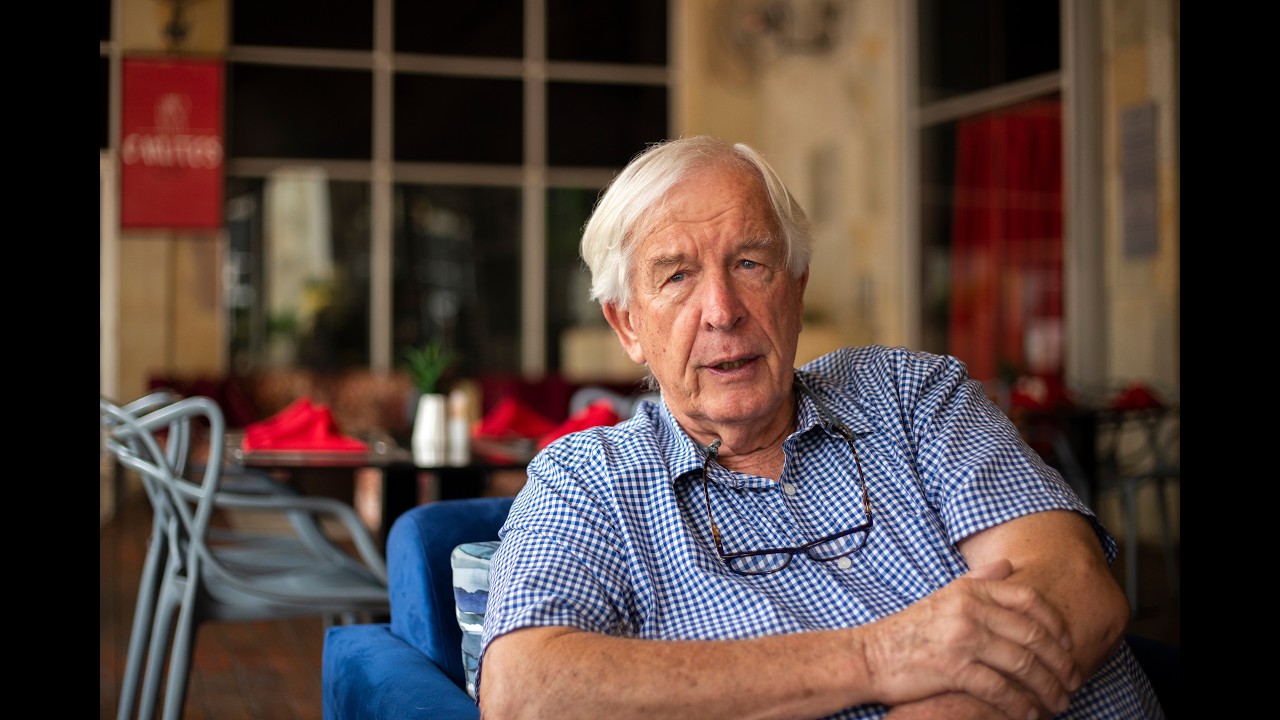
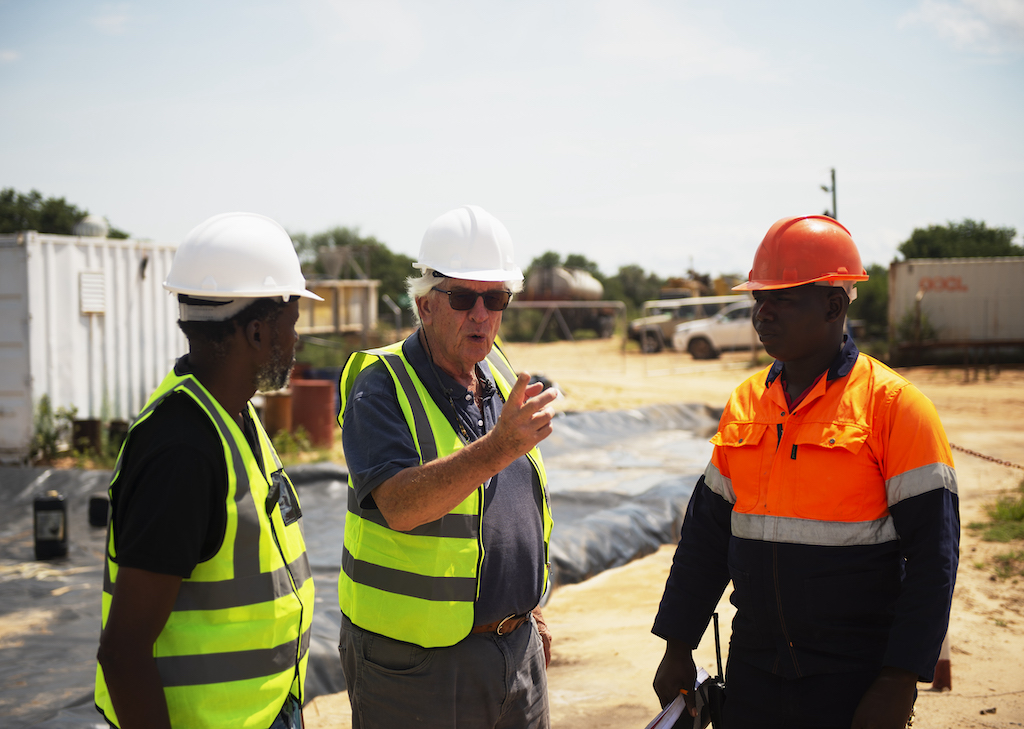
Wolf Martinick, chairperson of Botala Energy (middle), takes Oxpeckers journalist Sello Motseta (left) on a tour of the project site. Photo: Tshekiso Tebalo / Oxpeckers
Botala is bullish
“In the transition to renewables, we see gas as essential to supply power when the sun’s not shining, or when the clouds are hiding the sun. Botswana has a massive gas potential that has not been developed for a number of reasons,” Wolf Martinick, executive chair of Botala Energy, told Oxpeckers during an exclusive interview in a plush hotel in Botswana’s capital city, Gaborone.
He flew in for a whirlwind visit to the coal bed methane project near Serowe after attending the Mining Indaba in Cape Town, South Africa, in early February 2026. Currently, gas is drawn from less than 5% of the 420,000ha on which Botala has been granted exploration rights.
It’s no simple matter to extract natural gas from coal beds, Martinick explained.
“The gas that is associated with coal typically develops at 350m to 500m depths. You need that depth to get the pressure to form the gas and to keep it there. If you go to 2,000m or 1,000m, then usually the rock is so compressed that the gas is there, but you can’t get it out,” he said.
Specialised techniques and equipment are needed to get the gas out at commercial flow rates. Botala Energy is using technology initially created in the United States, and then refined and developed in Australia.
Natural gas emits far less carbon dioxide (CO2) than fossil fuels like coal. However, when natural gas is burned it emits harmful gases like nitrogen oxides, volatile organic compounds, sulfur dioxide, methane, carbon monoxide and particulate matter, which affect both human health and the climate.
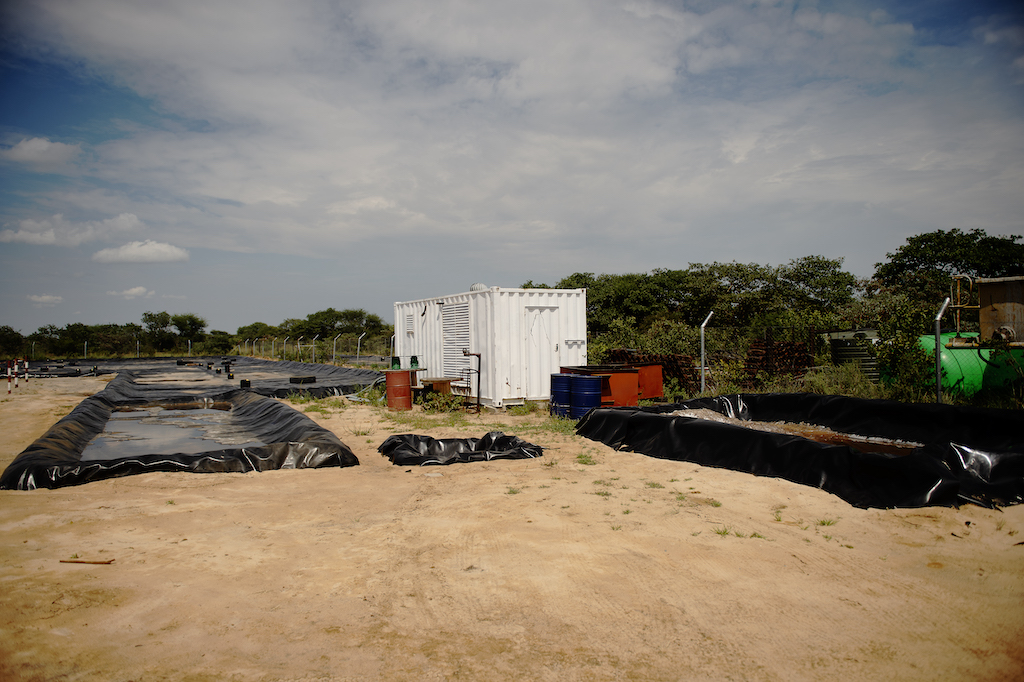
While experts warn of methane leaks and groundwater contamination risks, Botala maintains that its gas project has a minimal environmental footprint and is safely managed through careful monitoring and limited land disturbance, such as at the site of its water evaporation platforms. Photo: Tshekiso Tebalo / Oxpeckers
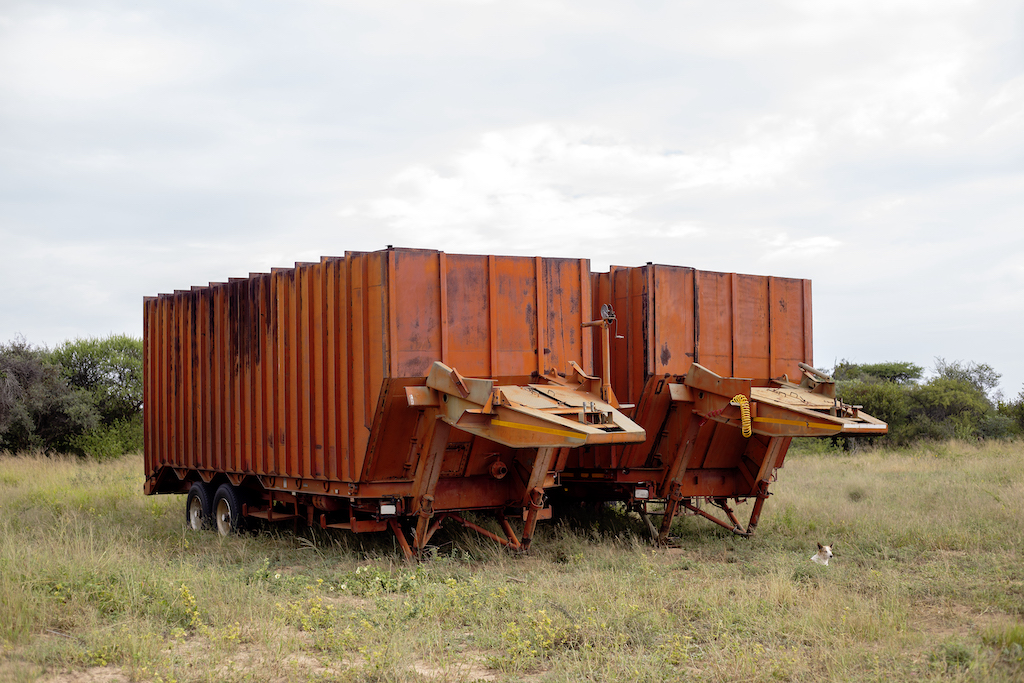
Water storage tankers at the Botala Energy project site, situated about 40km from Serowe. Photo: Tshekiso Tebalo / Oxpeckers
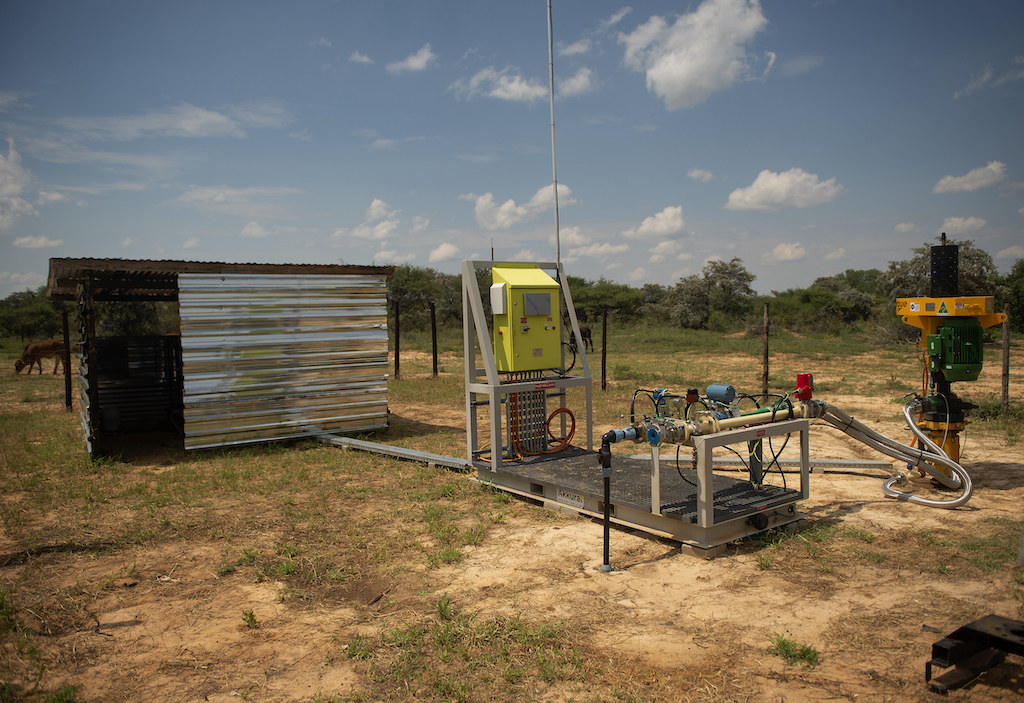
One of Botala’s wells, which pumps water to the main base of its project site. Photo: Tshekiso Tebalo / Oxpeckers
Environmental concerns
Producing and transporting natural gas, meanwhile, comes with the risk of methane leakage; at very high levels this warms the climate.
Contaminated groundwater is another risk. Most of the surrounding land consists of cattle ranches; farmers use the groundwater for their livestock – Botswana is renowned for its beef.
However, both Martinick and Pat Critten, drilling manager for Botala Energy, insist that the project poses no serious threats to the environment.
“Well, to start off with we don’t really have any large amount of pollutants. We do use very small quantities of chemicals that are collected,” Critten told Oxpeckers during a visit to the site.
He also explained that, once the water used in the process evaporates, it becomes a crust and disappears, thereby posing no risk. That water, contained in wells, is also pumped throughout the process and, Critten said, “we continually test the water in the diverter pond to make sure it meets release criteria”.
In terms of land use, Martinick said, “we clear the minimum amount of space required to get the machinery in and the machinery out”. The area where drilling happens is secured with a boundary fence to keep people, cattle and other animals out.
The company also points out that, unlike other forms of mining, gas exploration leaves everything underground apart from the gas.
“We don’t have the waste dams, we don’t create tailings dams, we don’t have big administrative offices and huge workshops, because we just have gas pipelines running underground to a central facility. It’s a relatively small environmental impact, with a huge potential beneficial financial impact for the country,” said Martinick.
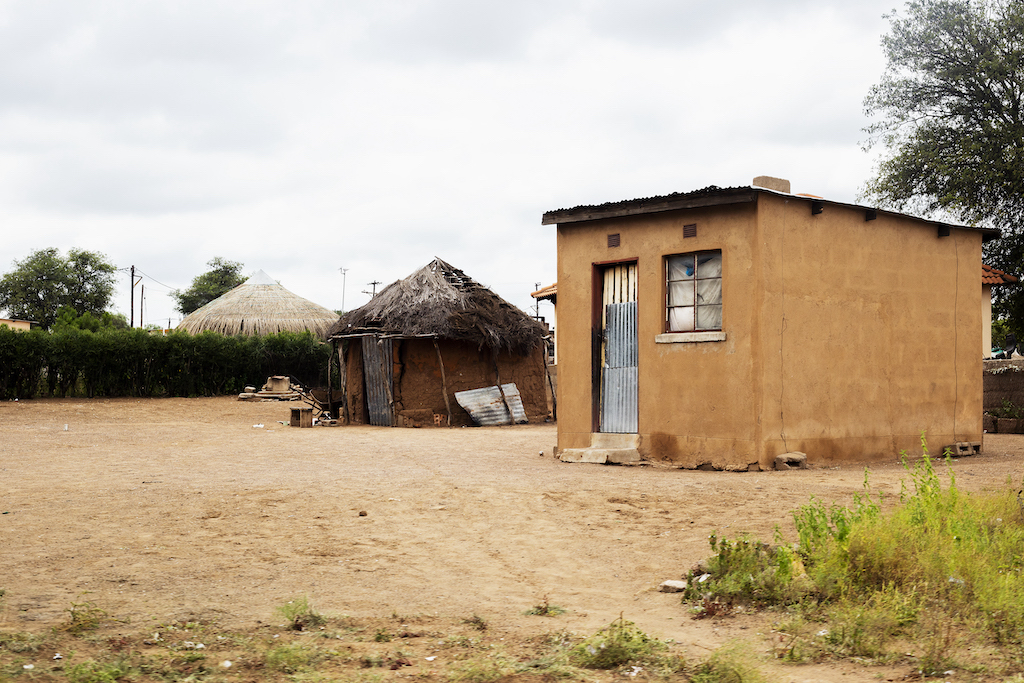
While Botala Energy brings short-term jobs and small economic benefits to nearby villages like Mogorosi, employment remains temporary and limited in a deeply impoverished community. Photo: Tshekiso Tebalo / Oxpeckers
Limited opportunities
Botala Energy employs a number of temporary workers, who are typically sourced from villages like Mogorosi, 20km away from the site and home to just 2,000 people. It’s a deeply impoverished area; Mogorosi residents were reluctant to say much about the project, which is a rare source of work.
“We are usually employed for about eight days or more on a temporary basis,” said a village resident. “We are given P100 [around $US7,25] a day and job opportunities.”
The project also buys its firewood from local residents, as well as purchasing chickens and goats for its temporary employees to eat.
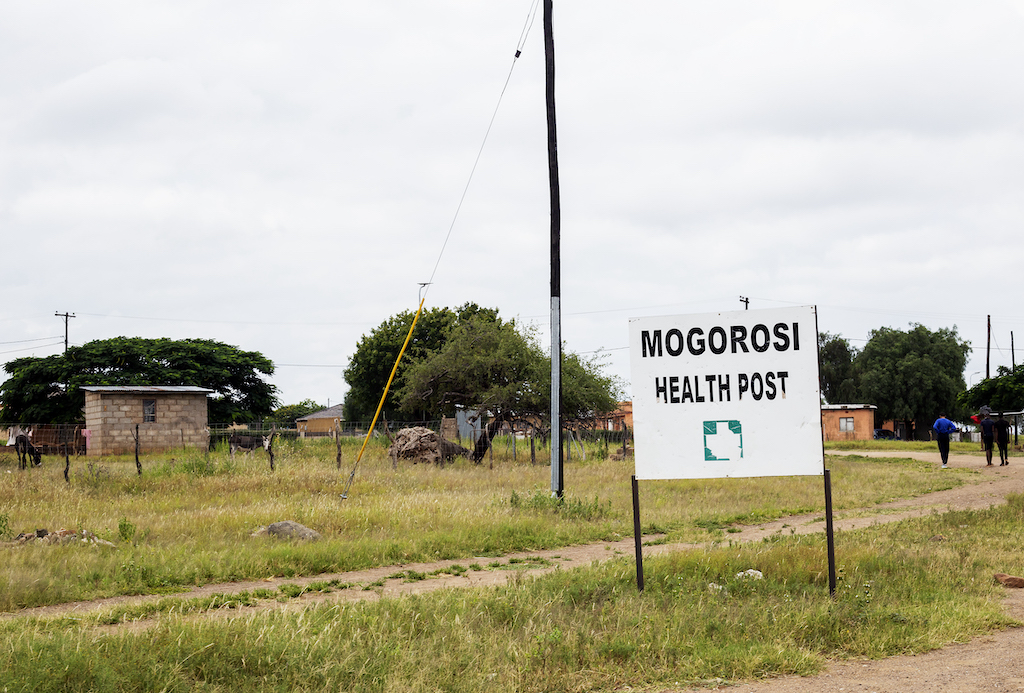
Key stakeholders and environmental experts have not been given access to Botala’s environmental impact assessment, raising concerns about transparency. Tshekiso Tebalo / Oxpeckers
A lack of transparency
While Botala paints a rosy picture, environmentalists and mining industry experts are sceptical.
Boniface Olubayo, business advisor for Somarelang Tikologo / Environment Watch Botswana, is also a member of Botswana’s National Climate Change Committee. He and his colleagues at the NGO have not seen the EIA for the Botala project.
Nor has Oxpeckers.
Repeated efforts to get a copy of the EIA were unsuccessful. The Director for the Department of Environmental Protection, Frank Molaletsi, initially indicated he would make the document available to us but subsequently reneged on that commitment.
Tebogo Gaothabogwe, spokesperson for the Ministry of Environment and Tourism, was aggrieved by follow-up questions to initial queries, saying in a phone call: “I have already answered your questions.”
Olubayo stressed that he personally believed no mining project could entirely avoid contaminating underground water.
“The EIA may not have adequately covered other sensitive areas, including detailed groundwater sources, pathways and receptors in the region. With planned long-term expulsion of waste to obtain gas, fractures in the rocks will likely occur and lead to contamination,” said Olubayo.
He continued: “Everything calls for a need for a detailed independent EIA report with participation from independent consultants as well as the public to safeguard public interest and information. Public participation and consultation surpasses the demand for energy, as they not only are the paying consumers but also bearers of any negative impacts, directly or indirectly, ranging from increased medical complications to loss of livelihoods, among others.”
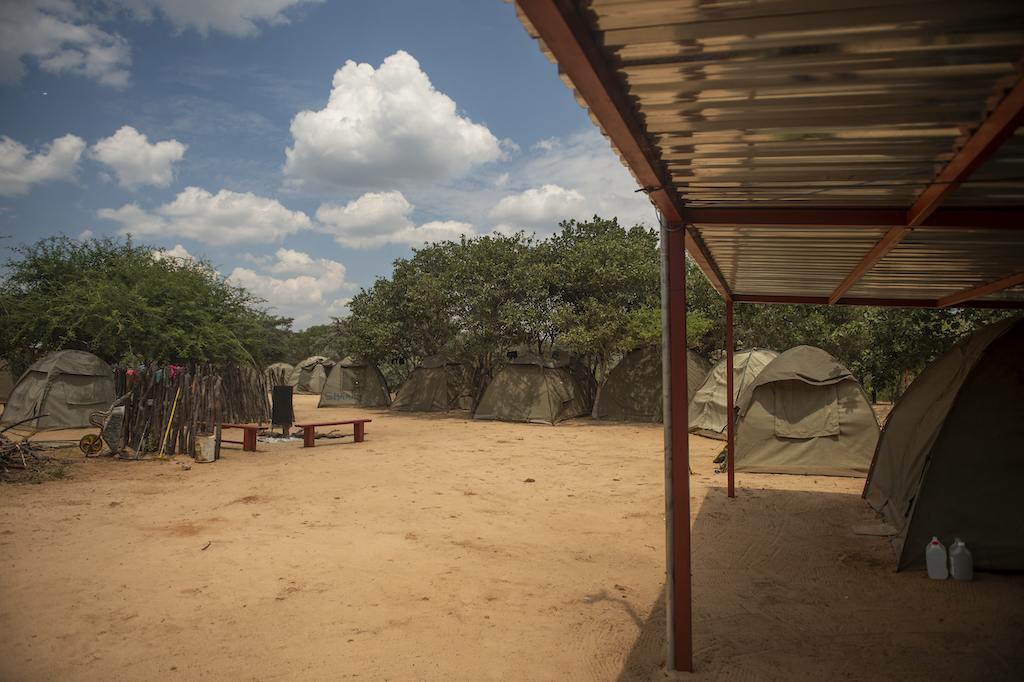
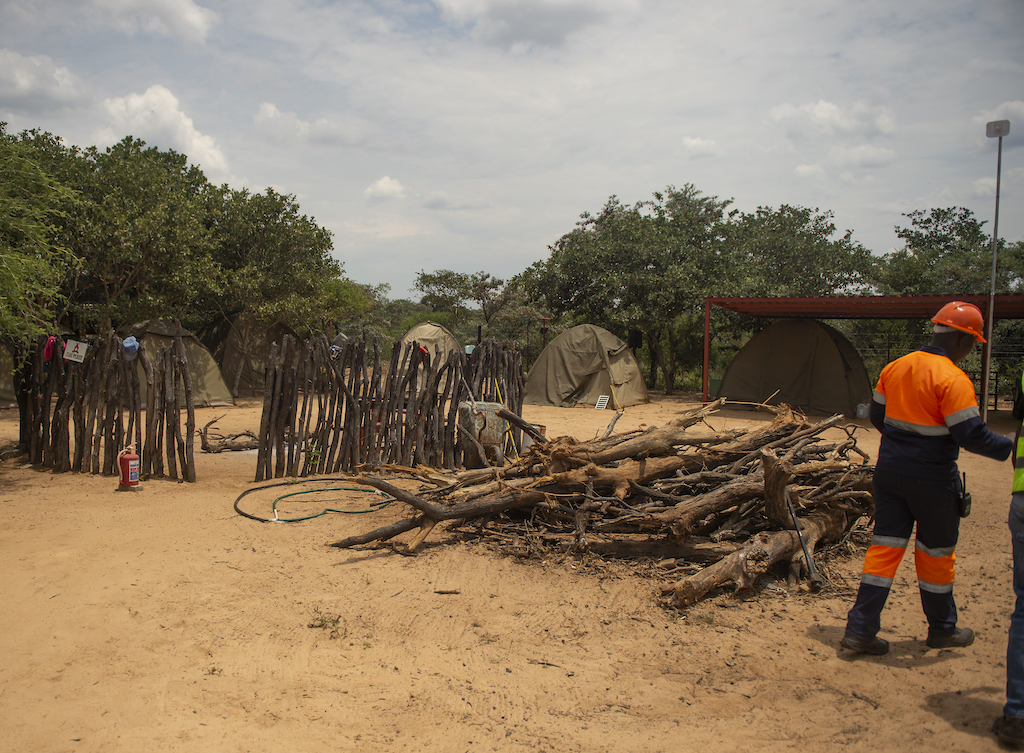
Employee lodging area with firewood used for cooking at the plant site 40km outside Serowe, on February 20 2026. Photos: Tshekiso Tebalo / Oxpeckers
Low-carbon development
The Botswana government says it is committed to a “low-carbon development pathway”, pointing to the fact that it’s a signatory to international agreements like the Paris Agreement and a participant in the United Nations’ Sustainable Development Goals. These do not, however, come with consequences for companies that do not comply with environmental regulations.
“Although these agreements are not binding in a domestic legal sense, they serve as powerful political and policy tools to justify and enforce stricter environmental regulations,” the Ministry of Environment and Tourism’s Sebeela said.
There are geomechanical risks, too. Harold van Zyl, an independent geological and mining consultant, said that, in three decades of working in mining geology in Botswana, he had learned that the margin for error in unconventional resources is razor thin.
“As a geologist I have to be a voice of caution: if we don’t manage the stimulation chemistry perfectly, we risk swelling the coal matrix and ‘choking’ the well before it even starts. We must also be vigilant about groundwater integrity and methane leaks to ensure this remains a win for our environment,” Van Zyl said.
“We cannot afford to get this wrong. It is absolutely critical that we achieve technical precision from the very first day through drilling, cementation, well stimulation and final extraction. Furthermore, as a major stakeholder, the Department of Mines must play a proactive oversight role, monitoring every phase of the process to ensure work is done to the highest international standards, safely and with total regard for the protection of our environment,” he added.
This investigation is part of the Oxpeckers #PowerTracker investigative series titled ‘The human cost of energy in Africa’