
18 Jun The people beneath Malawi’s minerals rush
Malawi’s emerging mining industry pits economic promise against environmental, cultural concerns. Mbauwo Chavula investigates
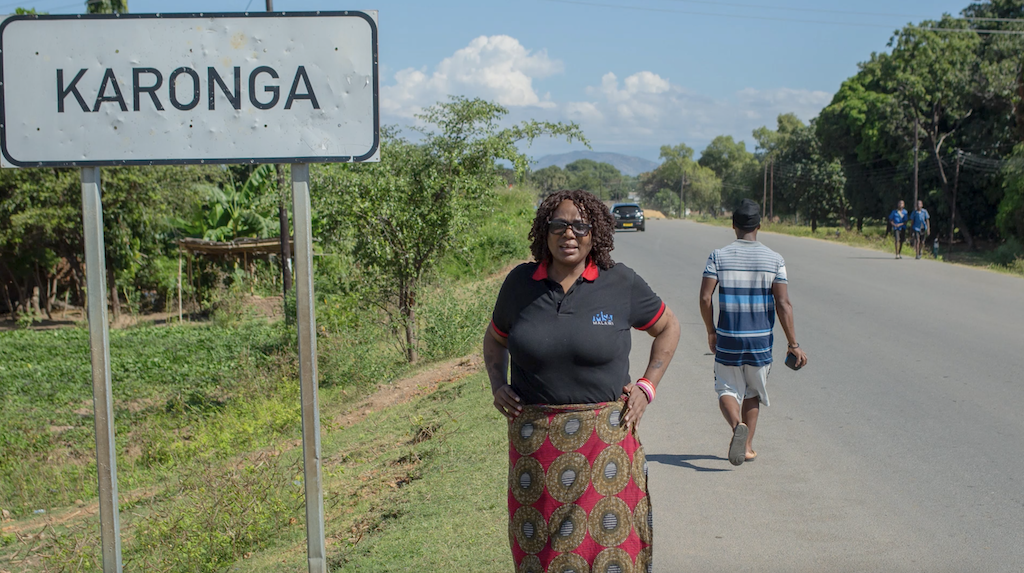
Oxpeckers journalist Mbauwo Chavula in Karonga district: Along with the opening of a mine came big promises, but residents said they have little to show except coal dust and polluted rivers. Photo: Alick Chimzere
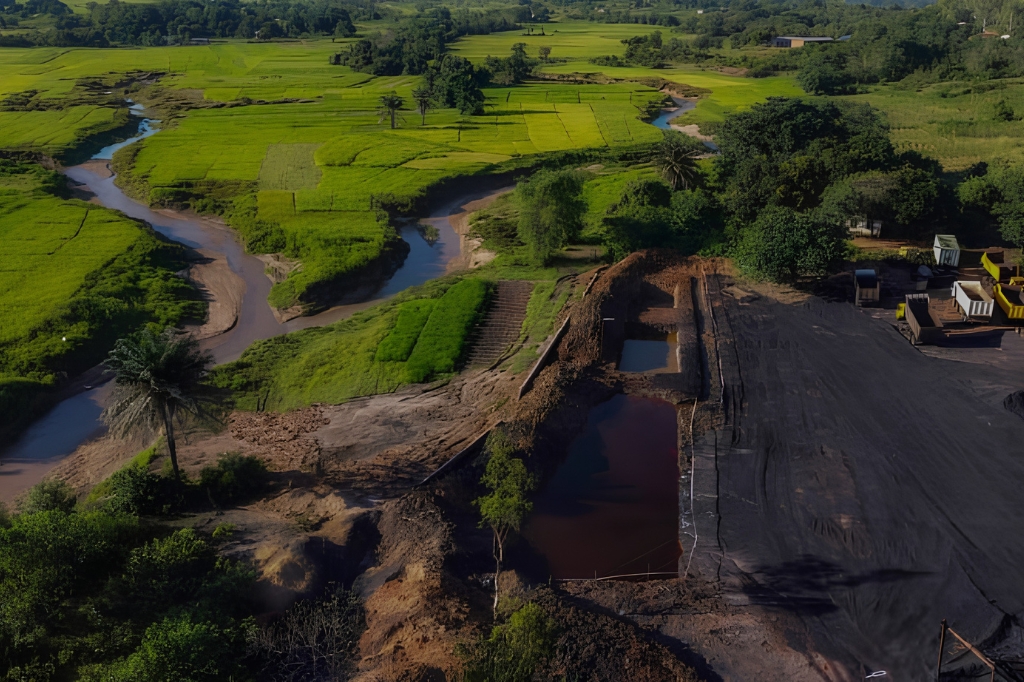
In April 2026 the Coal and Minerals Group (CMG) was fined about $US8,300 in administrative penalties for six environmental violations at their Kasantha mine. Pictured here is the mine’s loading bay in May 2026. Photo: Alick Chimzere
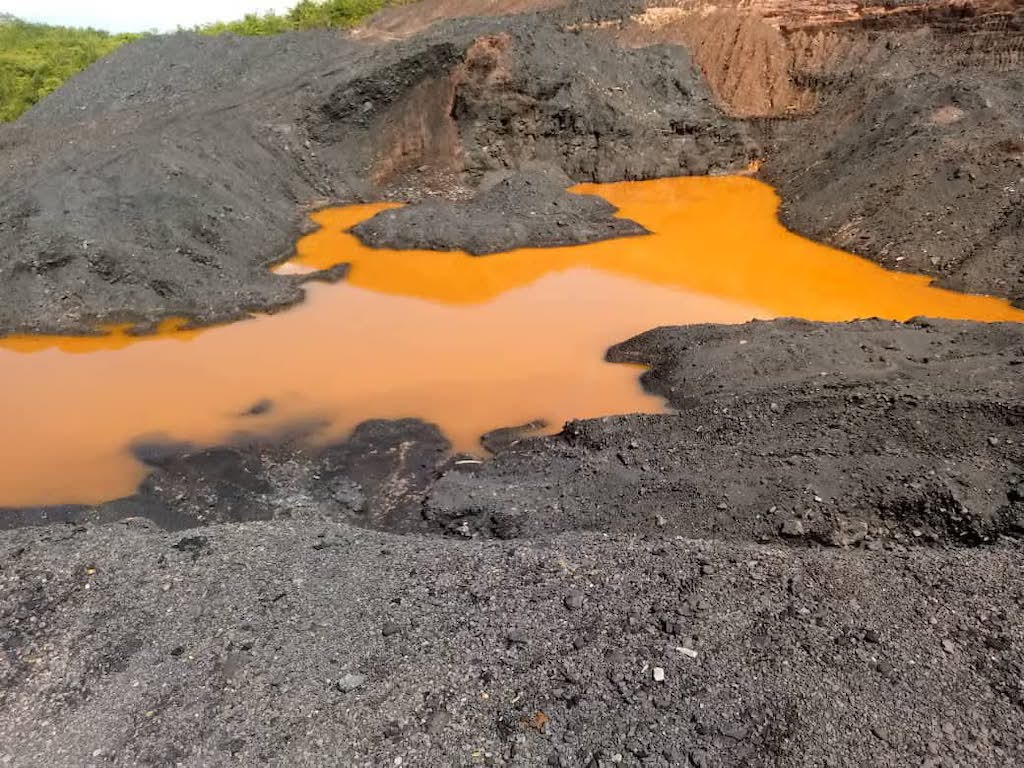
Water pollution and uncontrolled discharge of effluent into the Kasantha River were some of the violations outlined by the Malawi Environmental Protection Authority and the National Water Resources Authority. Photo: Malawi News Agency
When the Coal and Minerals Group (CMG) opened a mine at Kasantha in Malawi’s Karonga district in 2018, it made big promises.
In meetings before the project broke ground, the company told residents of the district, on the northern tip of Malawi bordering Tanzania, that it would, among other things, repair and build teacher housing for two of the area’s primary schools. Residents say that CMG also committed to fixing and improving roads, and to providing potable water.
Eight years on, residents say they have little to show for the company’s promises, except coal dust and polluted rivers.
However, there may be light on the horizon.
On April 15 2026, the Malawi Environmental Protection Authority (MEPA) and the National Water Resources Authority fined CMG K14.5-million (about US$8,300) in administrative penalties for six environmental violations: water pollution and uncontrolled discharge of effluent; absence of a waste management plan; failure to have an environmental and social management plan; operating a loading bay without approval; poor site design and engineering controls; and the absence of safety and emergency systems.
The company was also ordered to immediately cease its uncontrolled discharge of effluent and to install treatment facilities.
In a statement responding to the sanctions, Brian Mwangonde, administrator for CMG, said the company would comply with the order.
CMG’s doors were still closed when Oxpeckers visited the area in May 2026. Residents told us that both the waters of the Kasantha and Changwina rivers and the air were far cleaner after the government’s intervention. Repairs to the schools, which we were told stalled years ago, were also finally underway.
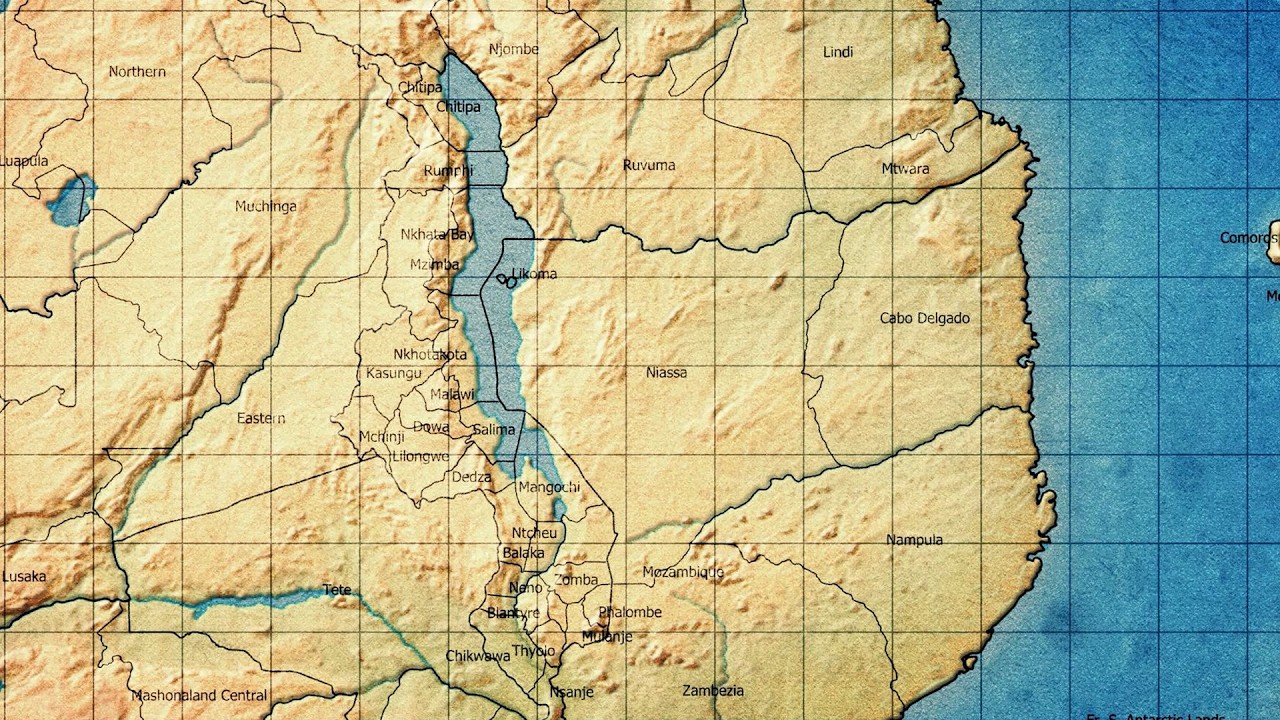
Stronger sanctions are being imposed just as the Malawian government is promoting the country’s mineral resources – including gold – as a revenue stream. Pictured here is a makeshift gold mine in Kasungu district. Photo: Mibawa TV

Jewellery is a popular output of the raw minerals being tapped as Malawi’s answer to a growing financial gap. Photo: Alick Chimzere
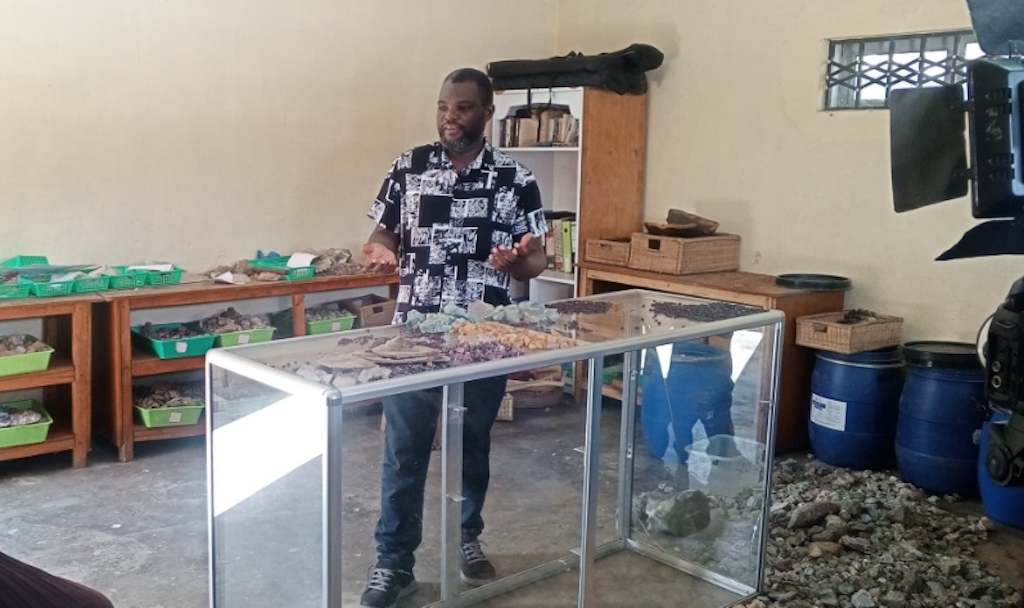
Percy Maleta, the president of the Federation of Artisanal and Small Scale Miners in Malawi, uses raw stones to create jewellery and gemstones. Photo: Alick Chimzere
Untapped mineral resources
MEPA first took aim at the project in 2022, fining it for similar violations. The recent, harsher sanctions come at a time when the Malawian government is eyeing the country’s largely untapped mineral resources as a potential revenue source.
Tobacco, long the southern African nation’s cash crop, is no longer in high demand and authorities hope that mining – particularly for rutile and graphite, two minerals that are critical to a number of industries, including in the renewable energy sector – can fill the financial gap. The Chamber of Mines projects that mining will contribute 12% of the country’s GDP by 2027; the current figure is roughly 1%.
But small-scale artisanal miners and ordinary Malawians worry that, without strong regulation and oversight, the rush for minerals could bring severe environmental and human consequences. Some communities are already fighting back.
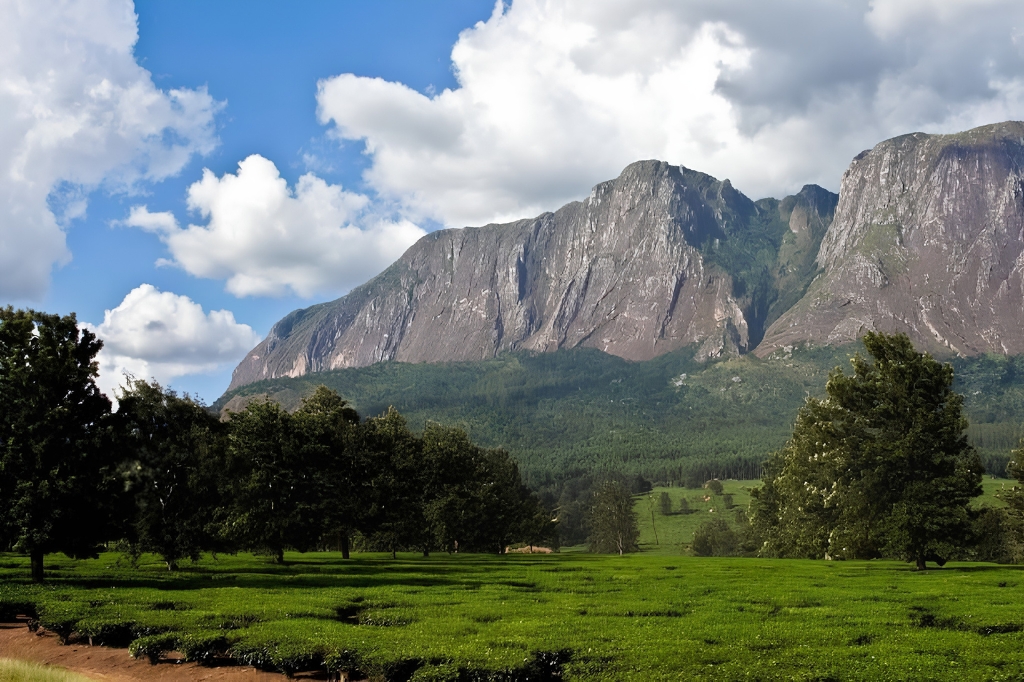
Mulanje Mountain was named a World Heritage Site in 2025, and sustains the lives of almost one million people. Now local mining firm Akatswiri Mineral Resources wants to turn the mountain’s Lichenya and Linje plateaus into a bauxite mine. Photo: Malawi Tourism
Protected area
One such fight-back is happening in the shadow of Mulanje Mountain in Malawi’s southern region. At more than 3,000m above sea level it is the highest mountain in tropical southern Africa.
In July 2025, the United Nations Education, Scientific and Cultural Organisation officially listed the Mount Mulanje Cultural Landscape as a World Heritage Site, calling it a “reflection of the spiritual and ecological harmony between people and nature”. Mulanje Mountain Forest Reserve was created and gazetted as a protected area in 1927.
Today almost one million people depend on Mulanje Mountain for their livelihoods. Water from it is piped into the surrounding villages, whose residents farm on and gather firewood from the reserve. Many local young men work as porters and guides for tourists who come to scale the mountain.
Now local mining firm Akatswiri Mineral Resources wants to turn the mountain’s Lichenya and Linje plateaus into a bauxite mine. Bauxite is the world’s main aluminium source and is used in, among other processes, the steel industry and the production of wind turbines and solar panel frames.
Akatswiri has made bold promises: an investment of US$820-million into the project, which it estimates could generate US$260-million per year and create 1,300 direct jobs for locals during the mine’s lifespan.
Akatswiri held a provisional licence that granted it exploration rights for rare earth minerals and bauxite. This was issued on October 5 2021 and expired on October 5 2024. In 2023 Malawi’s Mining and Minerals Regulatory Authority (MMRA) granted the company a 15-year mining licence with one condition: Akatswiri’s environmental and social impact assessment must be approved by MEPA.
The Ministry of Local Government, which oversees chiefs, has sided with traditional leaders and locals, who are fiercely opposed to the project. In a letter to the ministry, dated November 2 2025 and which Oxpeckers has seen, Akatswiri’s CEO, Hilton Banda, accused the ministry of not consulting with the MMRA and said the environmental assessment process was complete.
Oxpeckers repeatedly tried to contact Banda for comment, but he failed to respond.
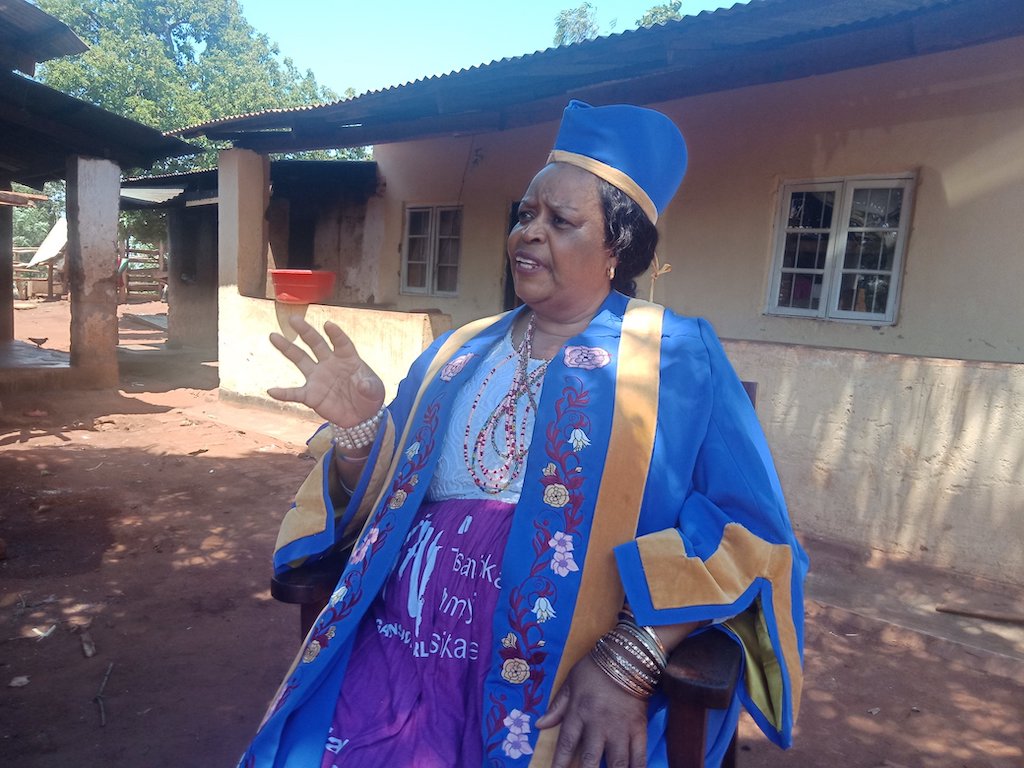
‘We will not allow greedy hands to dig into the heart of our mountain,’ Senior Chief Aida Chikumbu told journalists at a press conference in Mulanje. Photo: Sarah Kimani (via X)
Uphill battle
It will be an uphill battle for Akatswiri to win over the community, said Senior Chief Aida Chikumbu, who represents 147 villages around Mulanje, and who has categorically refused to allow intrusive mineral extraction.
At a press conference in Mulanje on November 25 2025, she said: “Mount Mulanje is our identity, our protection, and our inheritance.”
“We will not allow greedy hands to dig into the heart of our mountain,” she added, and called for “conservation, not exploitation”.
Akatswiri’s project would also threaten the US$30-million, 6.5-megawatt hydropower plant to be built by Mulanje Mountain Conservation Trust to supply electricity to Mulanje’s surrounding villages. The project is meant to demonstrate how conservation and development can coexist.
The trust already operates three synchronised micro-hydro facilities at the base of the mountain that collectively generate approximately 268kW of power daily, feeding into a single localised grid. The trust says these facilities serve more than 2,000 households, 13 schools, a health centre and 12 maize mills.
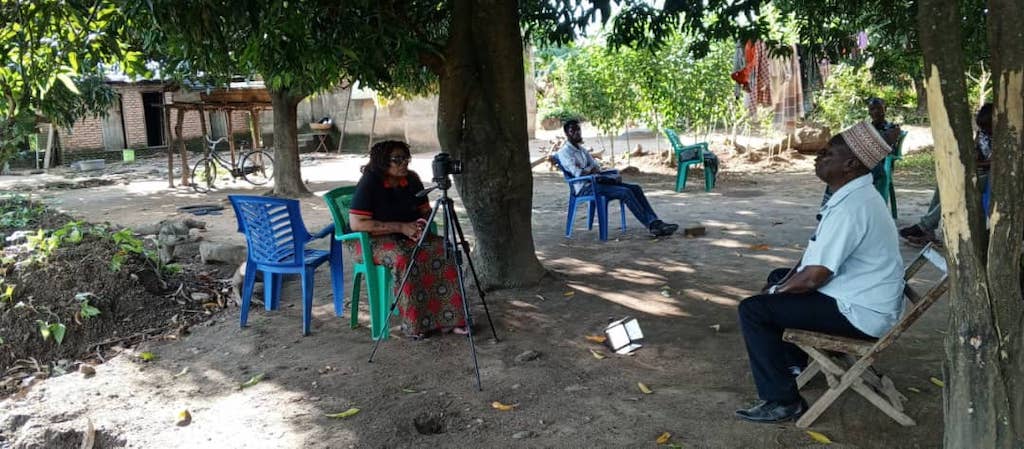
‘We are lowly people, and we just accept whatever the government has agreed with them.’ Oxpeckers journalist Mbauwo Chavula interviews Shadrick Mlindafwa, known by his clan name, Headman Mlindwafwa, near his home in Kasantha village. Photo: Alick Chimzere
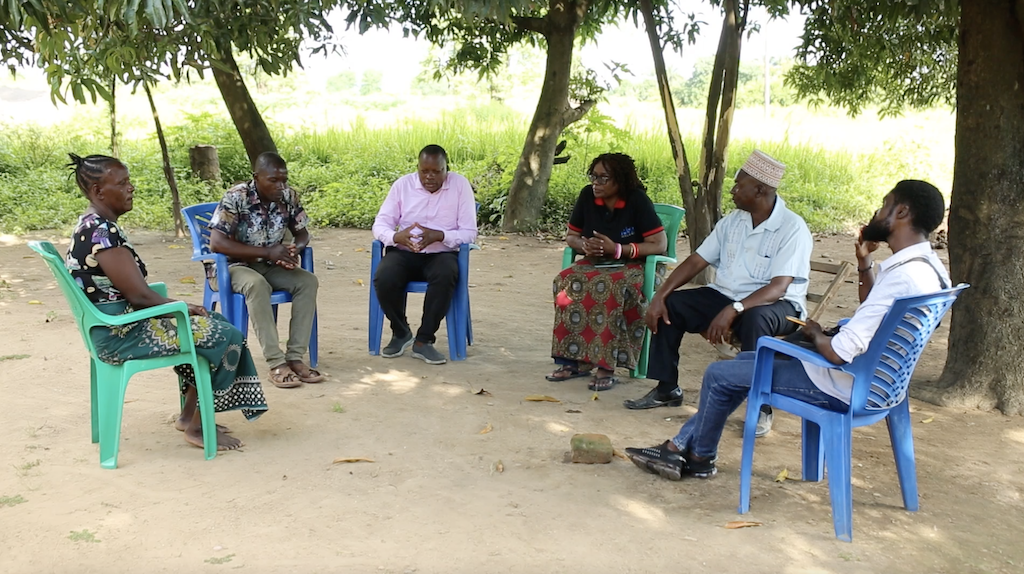
Residents of Kasantha village, where CMG’s mine is based, say they ‘have no say whatsoever’ and that there is nothing they can do about the activities impacting their environment. Photo: Alick Chimzere
Residents in the dark
The residents of Kasantha, where CMG’s coal mine is based, know all too well what happens when mining happens without proper consultation.
Shadrick Chawinga, called Headman Mlindwafwa (his clan name), is the most senior leader in Kasantha village, with a population of around 500. He said neither he nor other residents were properly consulted about the CMG project – and even the MEPA sanctions came as a surprise.
“We don’t know anything about the developments here. We just saw our rivers being polluted and then those of us who stay near the loading bay would be choked with coal dust. The river has cleared now, but the situation was very bad,” Chawinga said, noting that people’s harvests and livestock had been negatively affected by mining activities.
“However, there was nothing we could do, because we thought they [CMG] had an understanding with government.”
“You know that we are lowly people, and we just accept whatever the government has agreed with them. We have no say whatsoever. There is nothing we can do,” he added.
Residents said the company has done more for the area since being sanctioned than in the previous eight years. Kingdom Malanga, who chairs Kasantha’s community mining committee, told Oxpeckers: “The closure has brought some benefit in that the roads are now being fixed, they are renovating our school blocks, which had rotting roofs, and the loading bay now has a dike that protects the rivers. This should have been there right from the start.”
There has been no comment from the company since the closure of the mine, and repeated attempts by Oxpeckers to contact CMG administrator Mwangonde were unsuccessful.
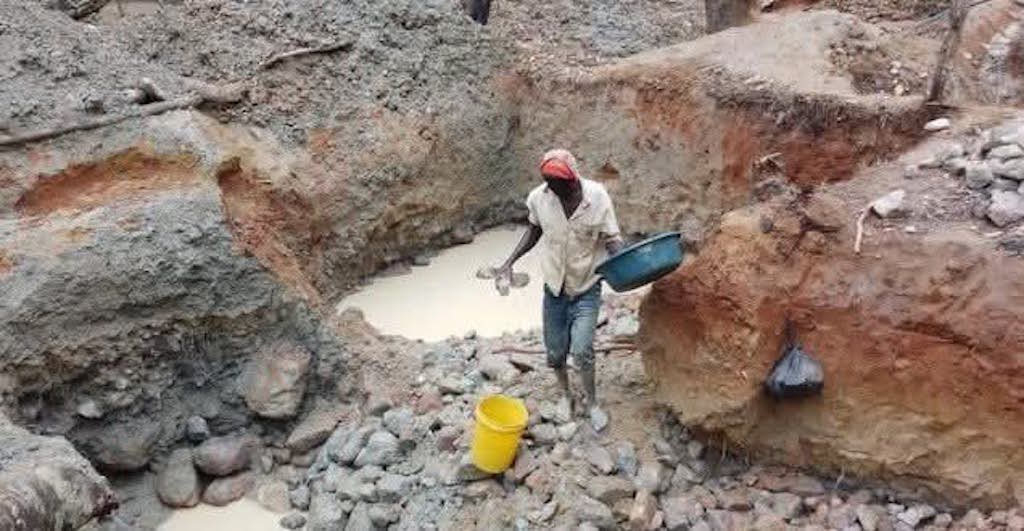
Kasantha residents are equally unhappy about the level of illegal gold mining near their village. Pictured here is a makeshift gold mine in Nkhata Bay district, which is about 300km from Kasantha. Photo: Africa Press
Illegal mining
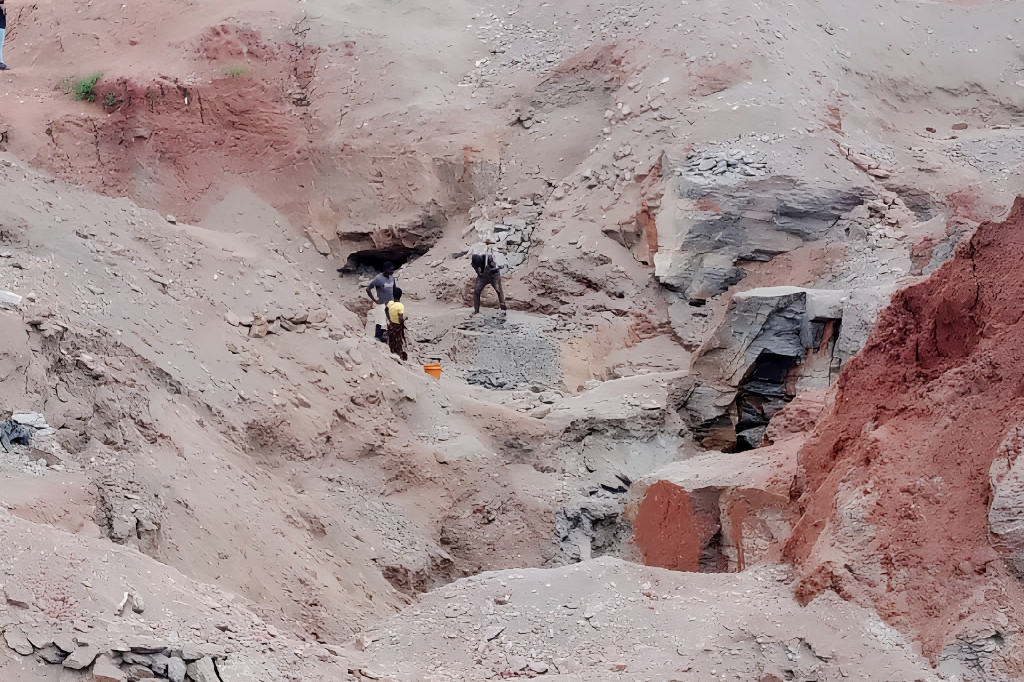
Kasantha residents are also unhappy about the risks of illegal gold mining in their district, which they allege is conducted largely by people from neighbouring Tanzania, Mozambique and Zambia, as well as South Africa. There is no official data available about the demographics of those engaged in illegal mining.
Malanga said the government, chiefs and the area development committee only began collaborating in 2025 to address this issue: “Maybe now we can actually see the way forward… Foreigners should not be benefiting from our resources while we remain in poverty.”
In November 2025, a trench dug for illegal mining collapsed and killed 11 people in Kasungu. In April this year the Parliamentary Committee on Social and Community Affairs toured mining sites in the district. Committee chairperson Savel Kafwafwa told reporters that communities were not only at risk because of such collapses; they were also being exposed to hazardous chemicals such as cyanide and mercury, which were handled without protective equipment. He said there had been reports of temporary paralysis among illegal miners because of this exposure.
The Ministry of Mining says it is working to transition small-scale miners into formal cooperatives, and an inter-ministerial task force has been formed to curb unregulated extraction. Minister of Mining Thoko Tembo met with artisanal miners in Blantyre on June 10 and stated that organising the sub-sector is critical for curbing illegal mineral trading, increasing foreign exchange earnings, and ensuring citizens benefit from the country’s resources.
Operation Samala Mgodi, a joint taskforce led by the Ministry of Mining and the Malawi Defence Force (MDF), was created in April 2026 to crack down on illegal mining. Its operations involve seizing equipment and dismantling makeshift shelters, as well as forcibly closing down unlicensed makeshift mines.
The taskforce has been accused of human rights violations by villagers, traders, miners and civil society organisations like the Centre for Democracy and Economic Development Initiative (CDEDI). Sylvester Namiwa, CDEDI’s executive director, said the crackdown was unjust and inconsistent with government policies.
MDF spokesperson Major Kelvin Mlelemba referred Oxpeckers queries to the Ministry of Mining, which did not respond. Malawi Human Rights Commission Chairperson Habiba Osman said the organisation would need to embark on a fact-finding mission before initiating any investigations or making recommendations.
We emailed and WhatsApped a range of questions about these projects and the Malawian mining sector more broadly to the MMRA and MEPA. Neither responded.
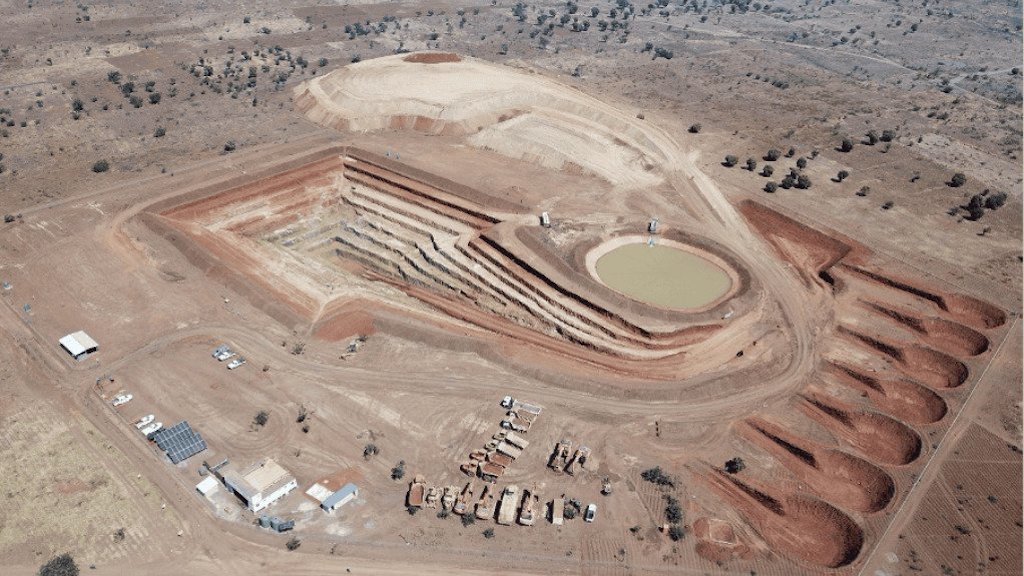
The 2019 discovery of the world’s largest known rutile deposit in Kasiya – used in solar panel manufacturing – is being promoted as a locals-first opportunity for Malawi. Photo: Sovereign Metals
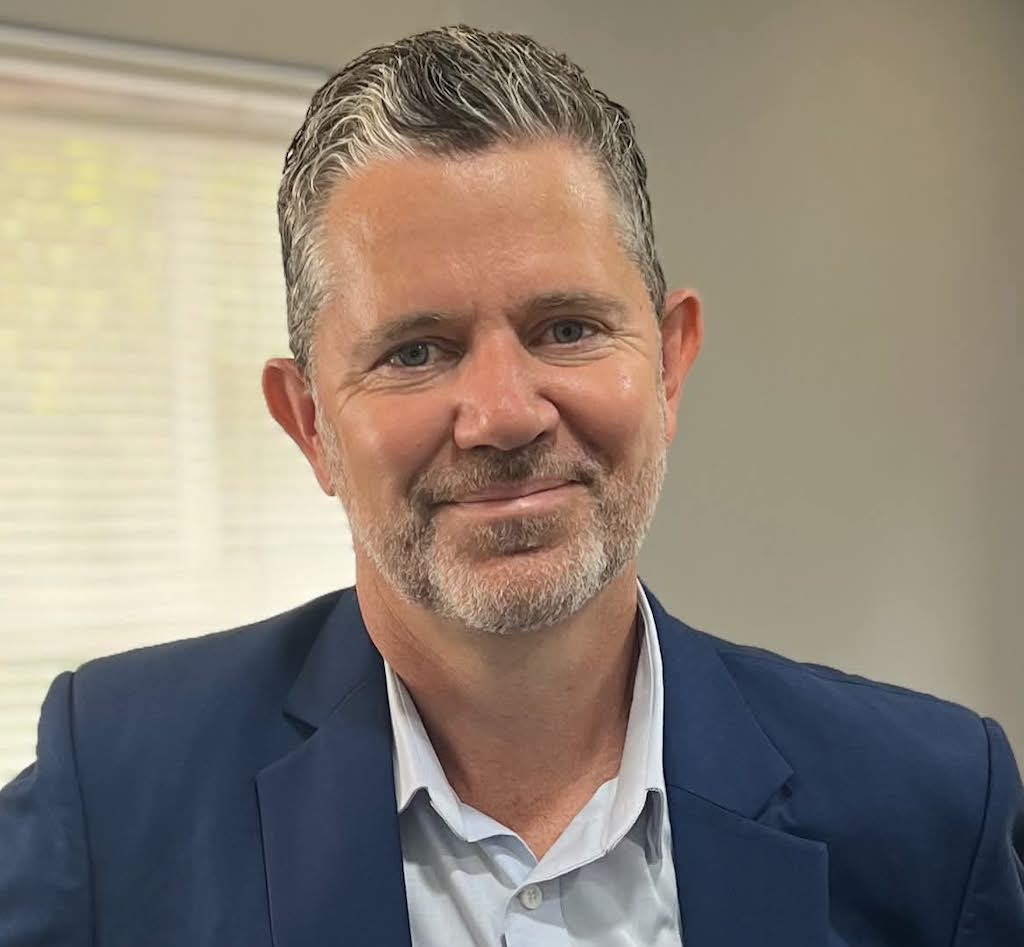
Sovereign Metals’ CEO Frank Eagar describes the Kasiya mine as a ‘globally strategic asset’. Photo: Sovereign Metals
New energy minerals
At Kasiya, about an hour outside the capital city Lilongwe, work is moving ahead on what could become one of the world’s largest rutile mines. Sovereign Metals, a company headquartered in Australia, discovered rutile at Kasiya in 2019.
It’s the site of the world’s largest known natural rutile deposit and second-largest known flake graphite deposit. Rutile is used in the manufacturing of high-efficiency solar panels, and graphite is an essential component of lithium-ion battery anodes.
Sovereign Metals estimates the mine could generate US$16.2-billion over 25 years. At a press conference on April 22 2026, CEO Frank Eagar described it as “not simply a mining project – it’s a globally strategic asset”.
He said the company planned to sign an agreement with the approximately 48,000-household-strong Kasiya community that would allocate a fraction of the mine’s earnings to locals. He did not say how much, and the agreement with the government has not been made public.
The company hopes to start construction in 2027. During this phase, 2,000 people, most of them locals, would be employed, Eager said.
Sovereign is now moving to secure a large-scale mining licence, engage the government and submit its environmental and social impact assessment report.
Malawi’s government said in the Ministry of Mining’s strategic plan for 2022 to 2027 that it expects the state coffers to benefit from corporate tax, royalties, payroll taxes and a shareholding arrangement with the Kasiya project.
This investigation is part of the Oxpeckers #PowerTracker investigative series titled ‘The human cost of energy in Africa’