

03 Mar Zimbabwe bans export of raw lithium after Oxpeckers exposed smuggling
The unexpected move is testament to the power of journalism to enforce accountability, offer scrutiny and influence policy re-think, writes Tatenda Chitagu
Smuggling route: Tatenda Chitagu at the Machipanda border post, where between three and five trucks carrying undocumented lithium passed through monthly ‘without anyone noticing’, according to a border official. Photo supplied
On April 7 2025 Oxpeckers published a months-long investigation into lithium smuggling from Zimbabwe to South Africa and Mozambique. On the trail of lithium smugglers in Southern Africa uncovered a hidden, transnational lithium smuggling network that exploited weak border enforcement, official complicity and opaque trade flows in the pursuit of illicit profit, while undermining national regulations and environmental protections.
At the heart of this investigation lay a crucial question: how did South Africa, home to only a handful of small lithium operations, suddenly emerge as a major lithium exporter to China in 2024? Official data revealed a mysterious 147,000-tonne surge in lithium ore exports.
Zimbabwe holds Africa’s largest lithium reserves and mining is one of its fastest-growing industries, with companies from China comprising the biggest chunk of investors. In Zimbabwe’s lithium liability, Oxpeckers reported in May 2024 that the country was positioning itself as a global leader in mining lithium, a critical energy transition mineral, but that these ambitious plans came at a cost.
In 2025 Oxpeckers associate journalists Andiswa Matikinca and Tatenda Chitagu pursued the anomaly emerging from global export data beyond paper trails and statistics, with Chitagu travelling through Zimbabwe to the Mozambican and South African border posts to investigate its real-world implications.
The investigation exposed how the smuggling rings were being systematically supported by clandestine operations and compromised border officials. Chitagu went undercover to interview smugglers, transporters and border guards under dangerous conditions, shedding light on how bribes, forged documents and “majors” (local fixers) facilitated the illegal movement of lithium ore.
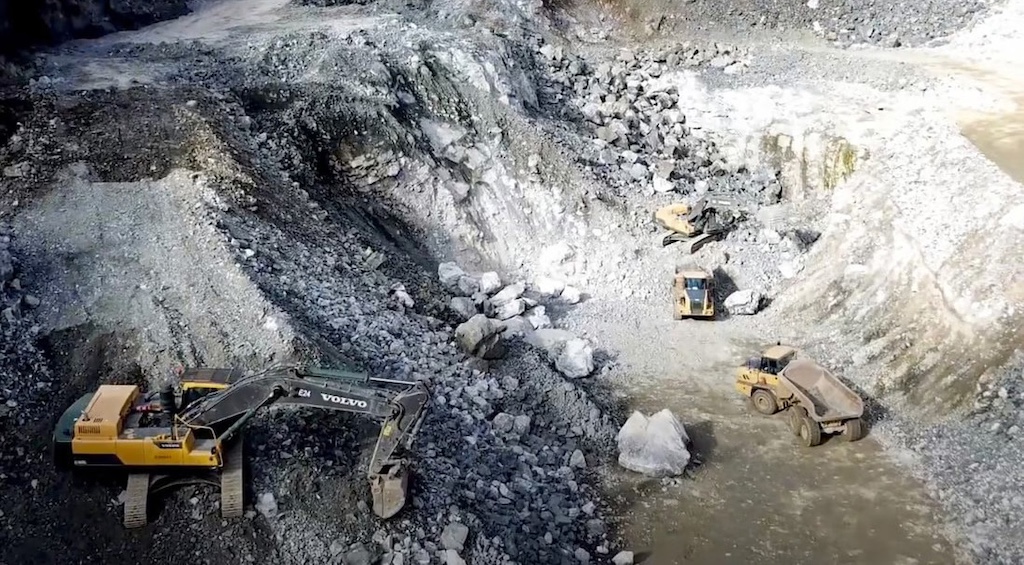
Oxpeckers reported in May 2024 that the country was positioning itself as a global leader in mining lithium, a critical energy transition mineral, but that these ambitious plans came at a cost. Photo courtesy Energy & Power Insider
Impact
Within days of Oxpeckers publishing the story, the Zimbabwean Parliament launched a fact-finding mission to establish the security of the country’s national points of entry and to curb the rampant smuggling of minerals and various goods, including hard drugs and other substances.
As a result, the government said it would ban the export of raw lithium concentrates in 2027 in order to encourage local beneficiation and employment creation.
But then in late February 2026 – less than a year after our investigation was published – the government made an about-turn and imposed the ban immediately because of the widespread smuggling. It suspended the export of all raw lithium minerals and concentrates with immediate effect, citing malpractices and leakages.
The ministry said the ban on exports would remain in place until further notice and applied to all minerals currently in transit.
“This review is part of a broader effort to curb leakages and enhance efficiency within our systems,” the Ministry of Mines and Mining Development said in a press statement.
This official response and admission by the Zimbabwean government is testament to the power of journalism to enforce accountability, offer scrutiny and influence policy re-think.
• Oxpeckers associates Tatenda Chitagu and Andiswa Matikinca won several awards for this investigation in 2025. Find details here